 All Articles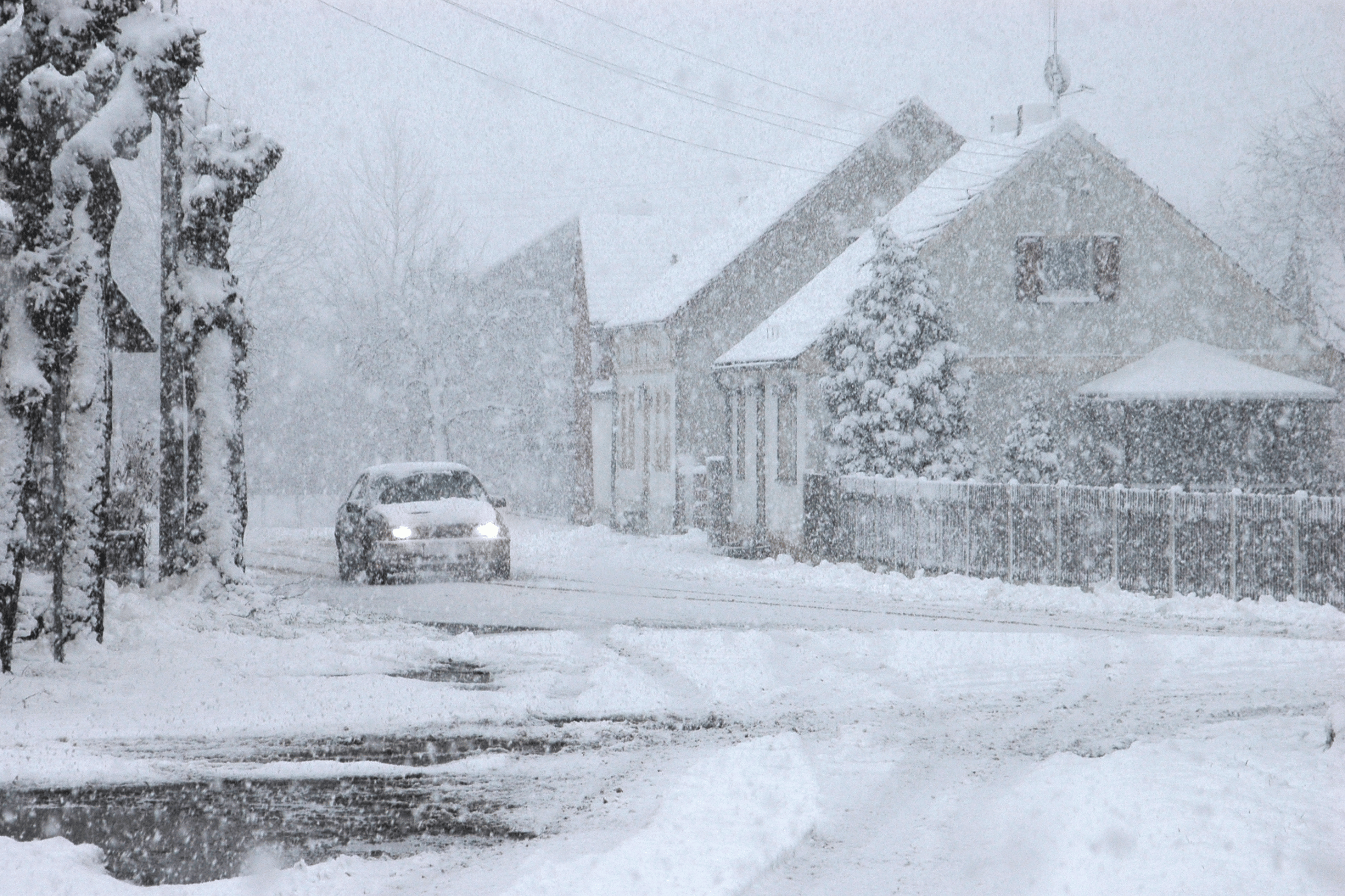
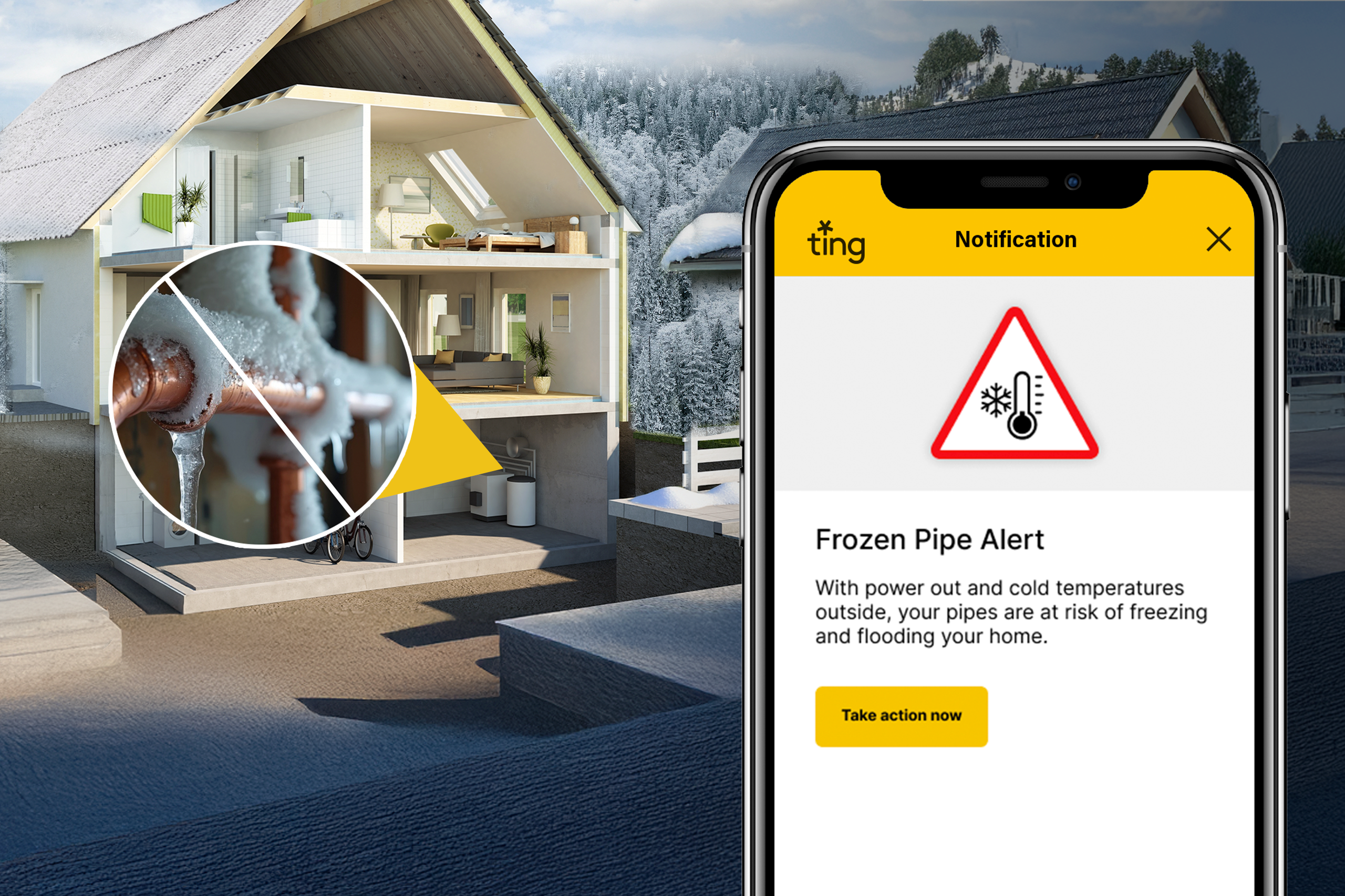
During the winter of 2025, a severe storm swept across the Mid-Atlantic, triggering an increase in power outages. Extreme cold not only increases the risk of in-home fire hazards, but it can also disrupt the quality of power entering the home. Ting helps detect and alert to these hidden risks, especially when families need safe electricity the most.
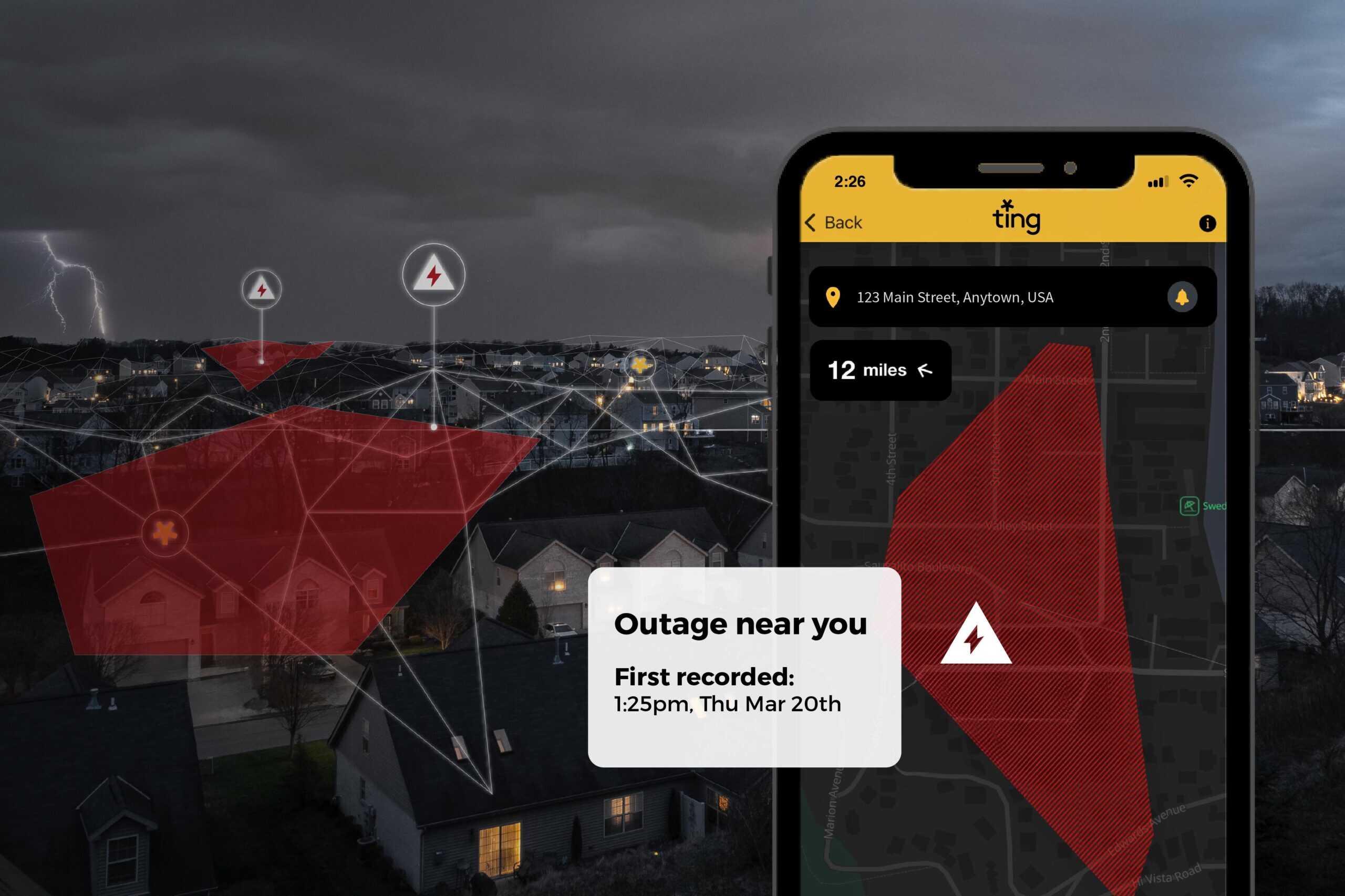
Winter storms wreaked havoc on the electrical grid, as seen in this Whisker Labs live video of power outages caused by weather.
Extreme Cold Risks
Increased Risk from Grid Issues
In winter, ice can weigh down power lines, strong winds may send tree limbs crashing into equipment, and freezing temperatures place added stress on power generation and distribution systems. Together, these conditions can trigger widespread outages and unstable voltage. While often unseen, these disruptions can quietly affect home safety. Ting alerts you to serious electrical risks linked to grid problems so you can take action before they cause damage.
My lights had been flickering after a recent winter storm power outage and as a new first time homeowner I wasn’t really sure what to do about it, what was causing it, or if it was truly as issue. Ting alerted me of the dangerous level of power and power surges in my home and specifically what they were seeing, provided clear instructions on the next steps I needed to take, and even provided me a template to use when I called my utility company so I knew exactly what to say to them about the issue, the emergency level of the situation, and specific steps I needed them to take. I was able to get the issue resolved the same day and I attribute it all to Ting.
– Maegan M. | North Chesterfield, VA
Increased Risk from Heating Devices
At the same time, increased reliance on space heaters, heating blankets, and other devices to stay warm stresses the home electrical system – and, collectively, the electrical grid. These devices often use significant power, also increasing fire risk.
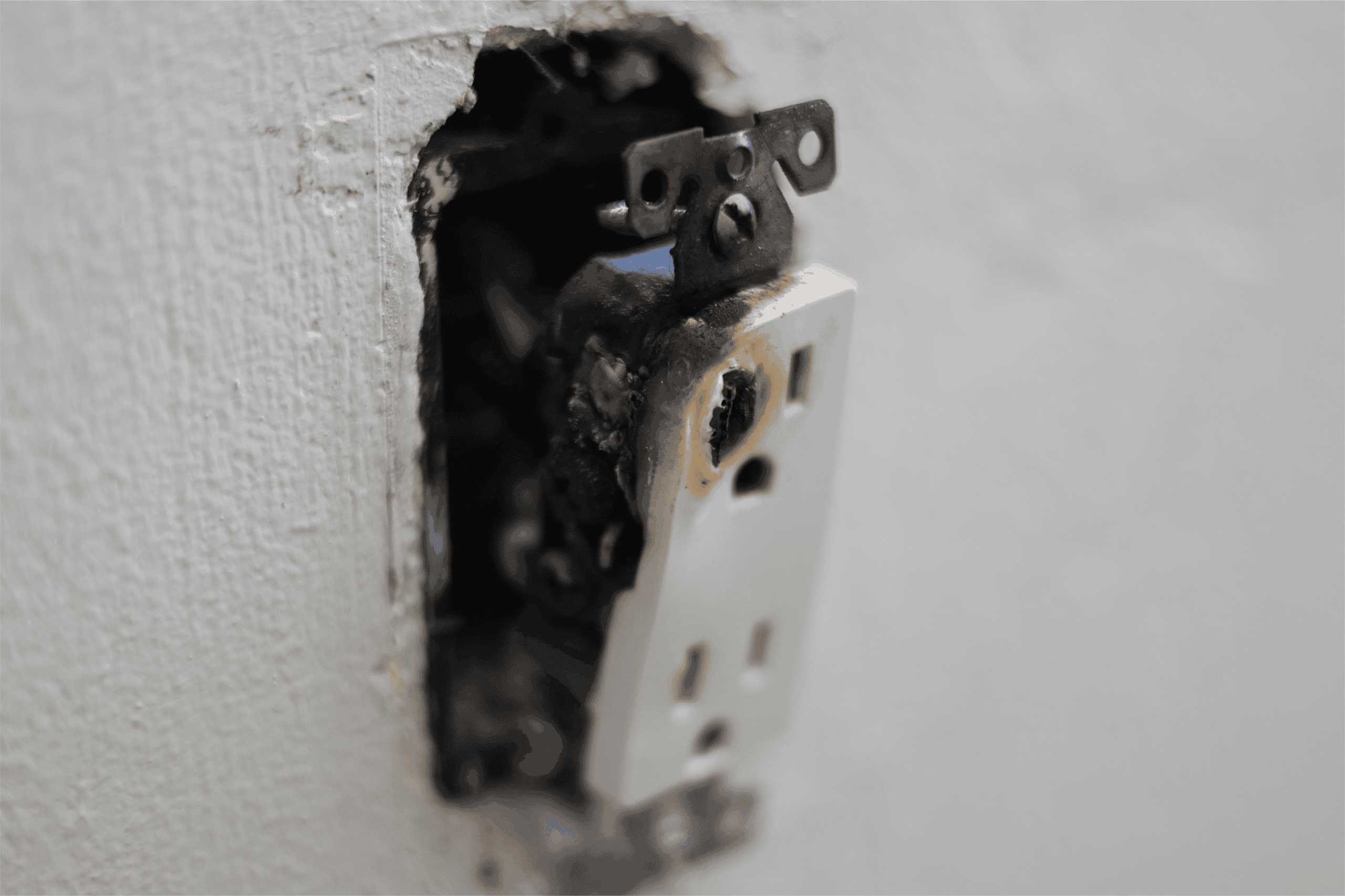
Sometimes a home electrical network is ill-prepared to handle an increased demand of this nature, leading to hazardous arcing, sometimes hidden in walls, that can lead to devastating electrical fires. In other cases, a device is not plugged in, not connected correctly, or is faulty due to age, wear, or poor design.
Fire safety involves all of us, in the home and in the community. Stay warm and stay safe.