 All Articles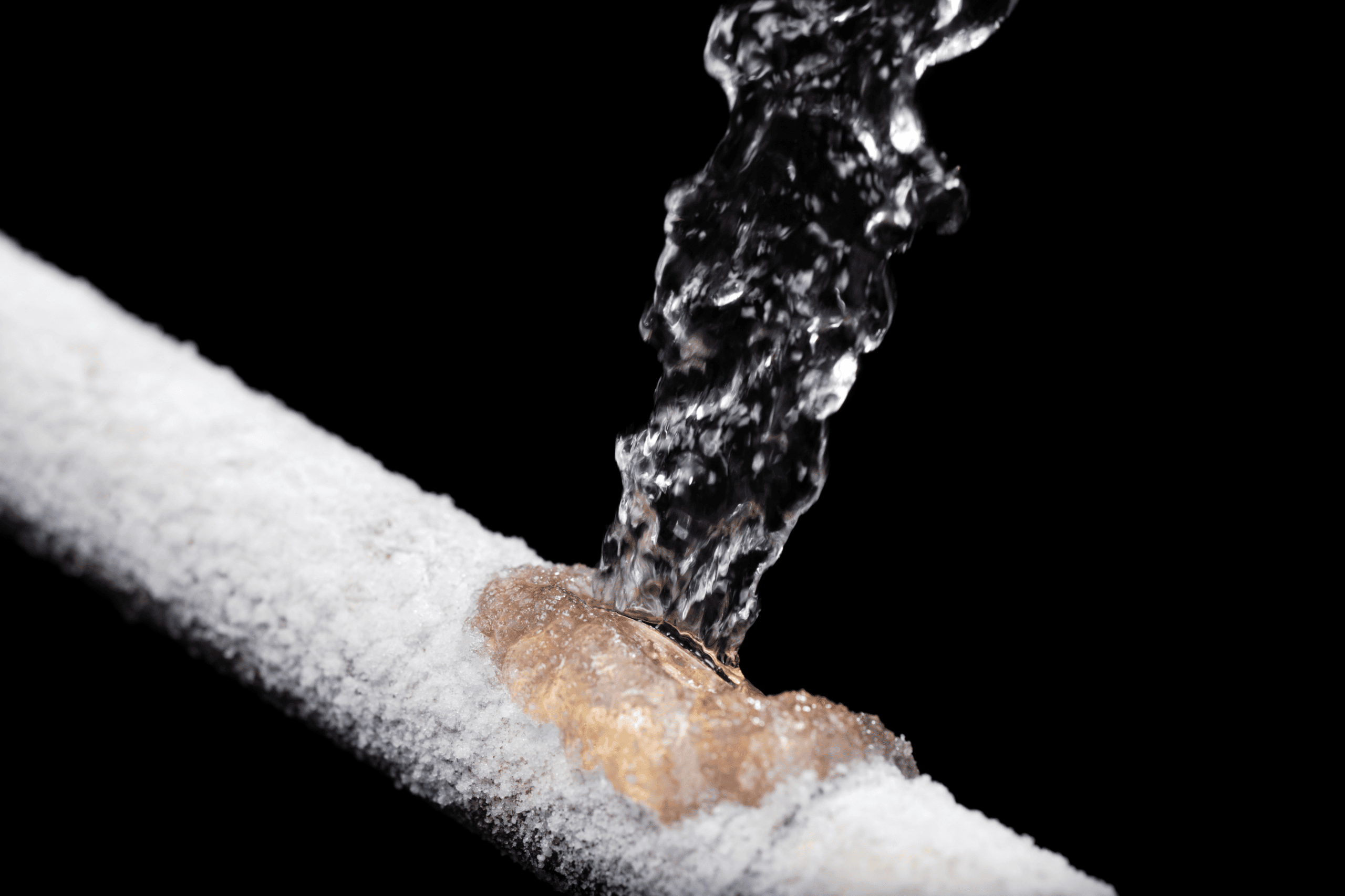
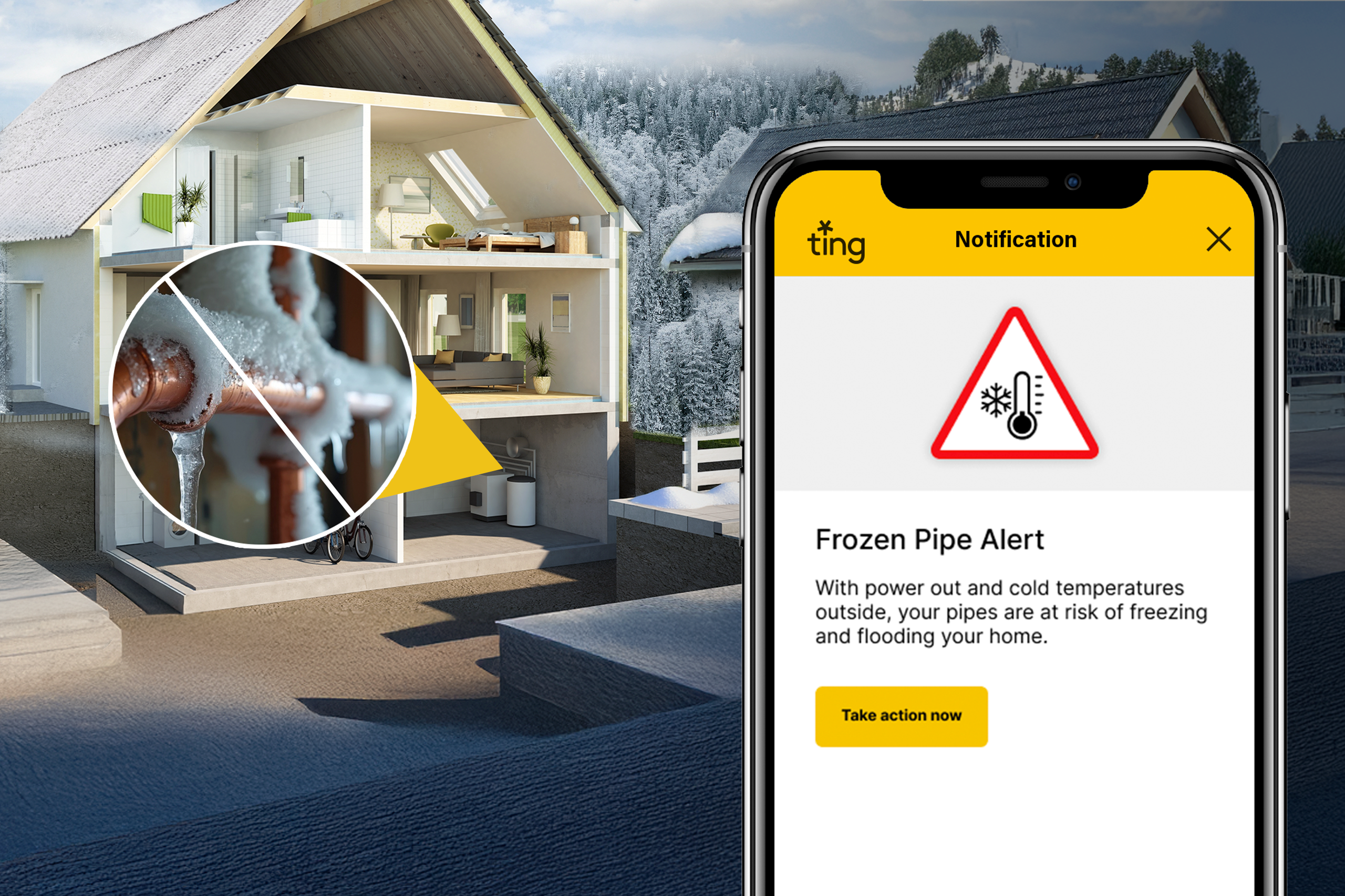
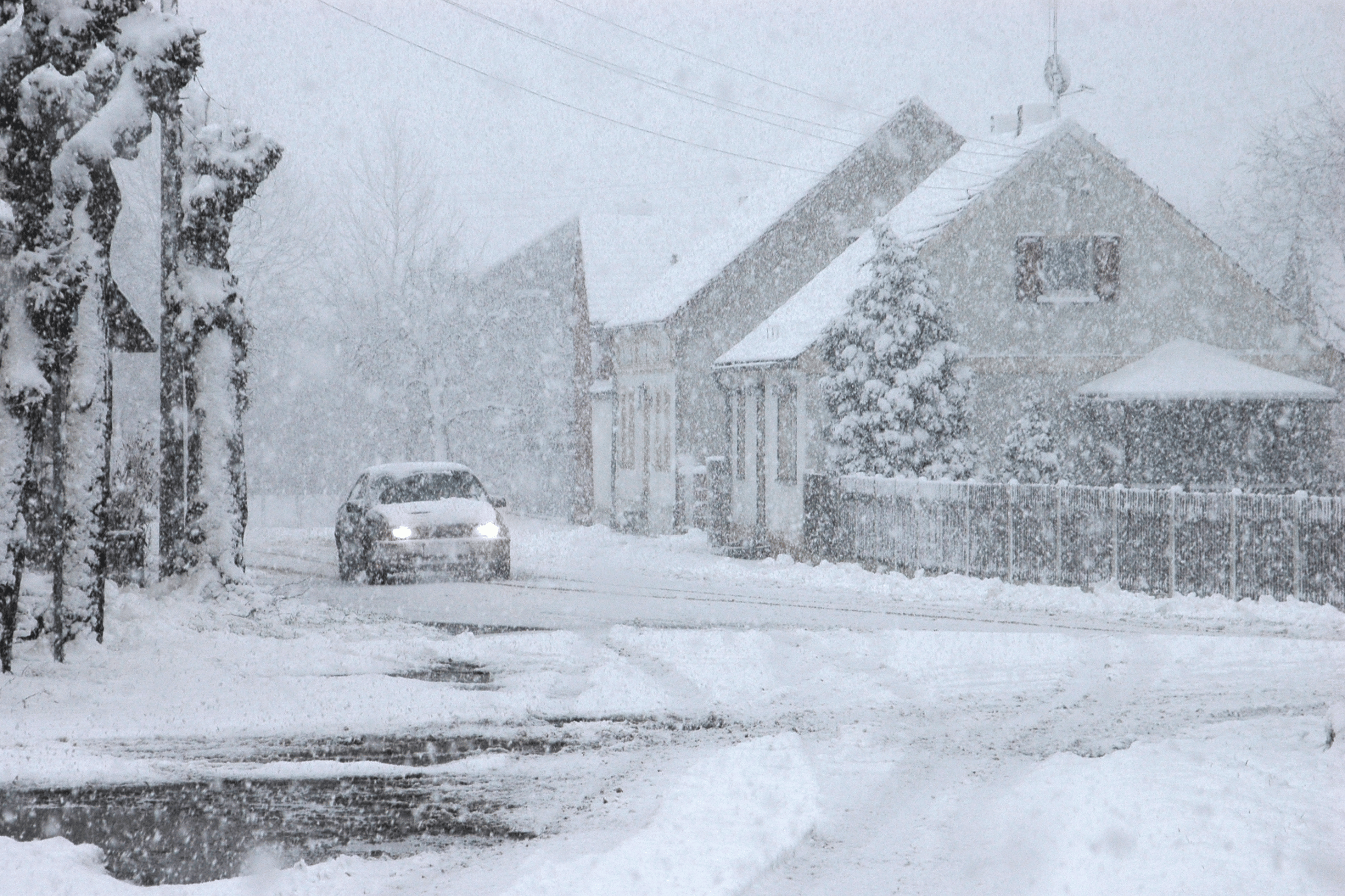
Cold weather, power loss, or heating issues can put your home at risk and cause pipes to freeze and burst, often in just a few hours. If you have a Ting sensor, you’ve already taken one step to stay ahead of frozen pipe damage. If Ting has alerted you to falling indoor temperatures or a power outage, or if you are experiencing extreme cold, don’t panic. Follow these three steps to help protect your home and avoid costly water damage.
On This Page
1. Restore Heat (If You Can)
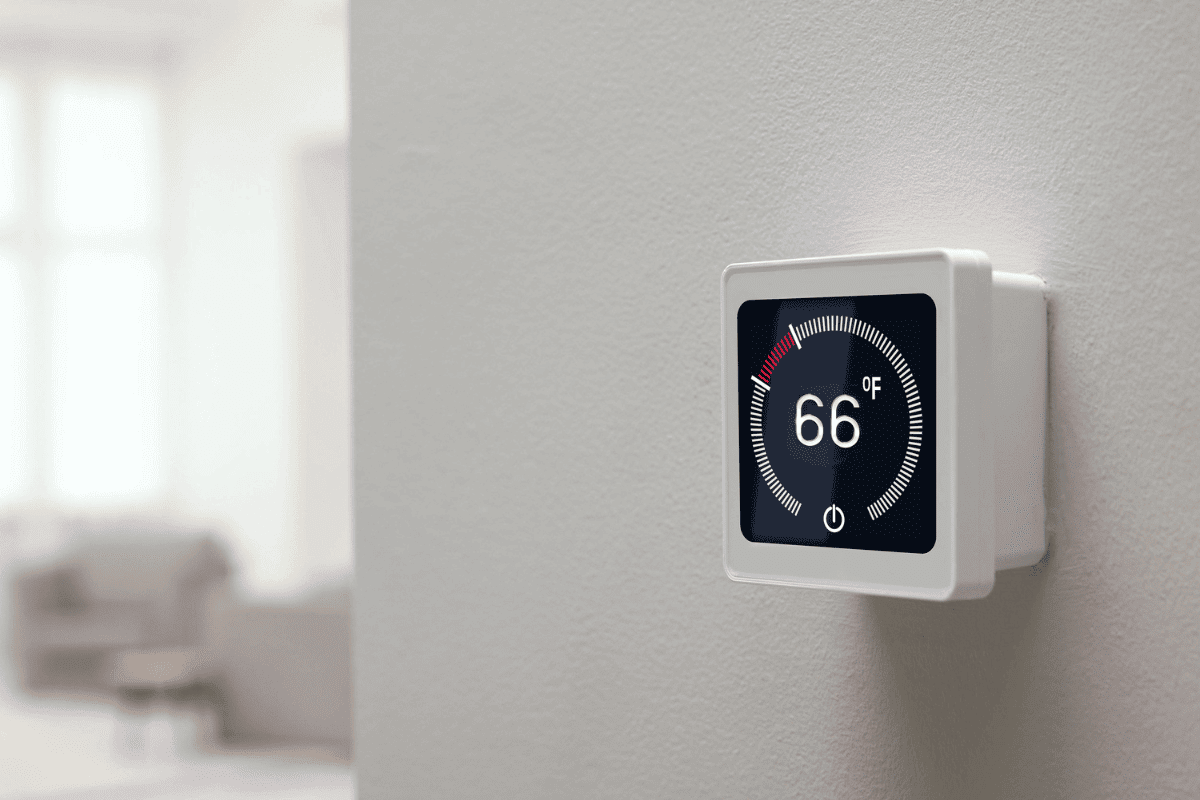
The fastest way to protect your pipes is to get your heat running again. Once your home starts warming up, your pipes should be safe.
If your heating system isn’t working, or you expect it to stay very cold, move to the next step to lower your risk of frozen pipes and water damage.
2. Get Water Moving
Without heat during very cold weather, temperatures indoors can drop quickly. If your home still has power but no heat, the goal is to keep water flowing and warm air circulating around your pipes.
Here’s what to do:
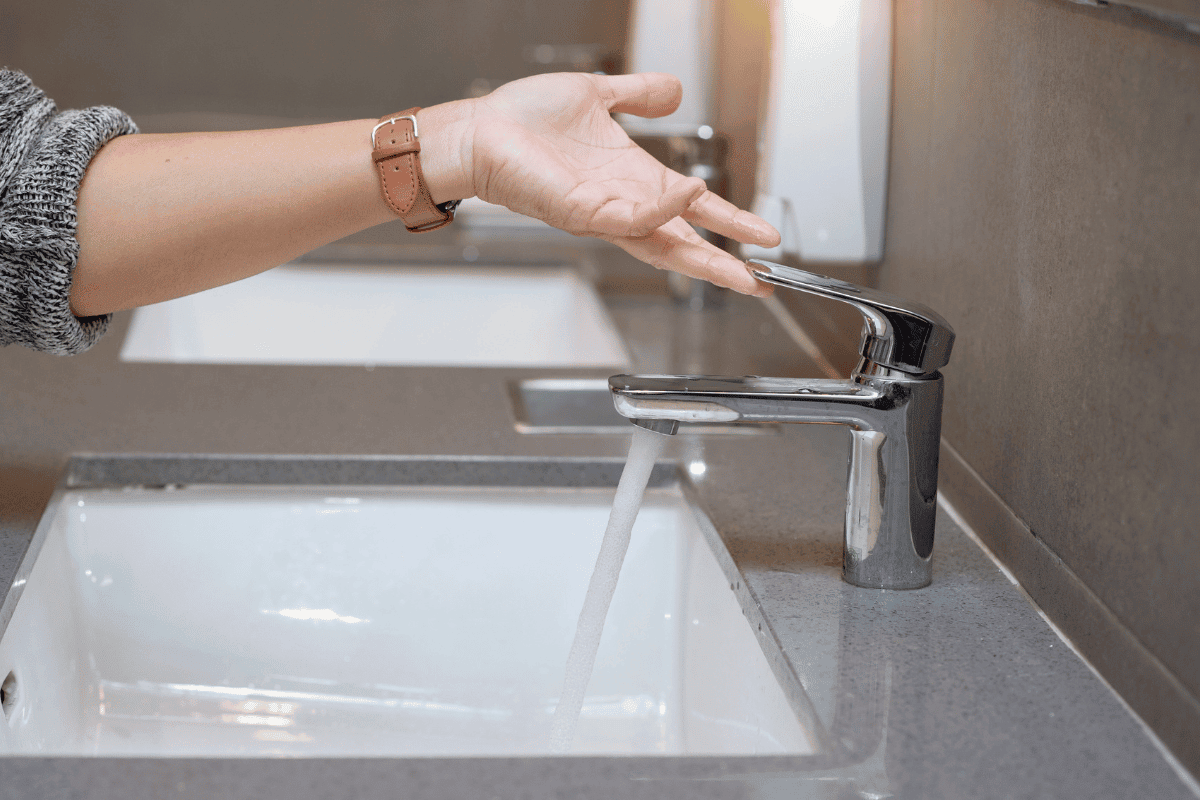
- Let faucets drip. Keep a steady trickle (about pencil thick) running from a few key faucets, especially those along exterior walls or in colder areas of the home.
- Open cabinet doors under sinks to let warm air circulate near your plumbing.
- Keep interior doors open to help heat move throughout the home.
- Use space heaters safely in colder rooms. Make sure to keep at least three feet of clearance, plug directly into the wall (no extension cords), and never leave them unattended.
- Check colder spots occasionally for reduced flow or frost.
Important: If you’ve lost power and your home becomes too cold to stay in, or no one will be there to monitor it, move to the next step.
3. Shut Off and Drain Your Water
If you’ve lost power, or if the home will be empty or unsafe to remain in, the best protection is to shut off your main water supply and relieve pressure from the pipes.
Here’s how:
1. Find your main water shutoff valve. It’s usually near where the water line enters your home, often in a basement, crawlspace, or utility area.
2. Turn it off. Turn the round valve clockwise to close, or turn the lever handle 90 degrees to the off position.
Note: If your shutoff is outside, you may need a meter key or wrench.
3. Drain your pipes. Open a faucet on the lowest level (like a basement sink), then open a few faucets upstairs to let air in and water drain out. Leave faucets slightly open until heat and power are restored.
Not sure what your main water valve looks like or where to find it? Learn more about what to look for here.
Why this matters
When water freezes, it expands — putting pressure on your pipes that can lead to cracks, bursts, and serious flooding. By keeping water moving or relieving that pressure before freezing can occur, you’re taking the right steps to protect your home.
After heat or power is restored
1. Leave one cold faucet open (lowest level of the home, if possible).
2. Slowly turn on the main water valve.
3. Close the faucet once water flows steadily.
4. Check for leaks under sinks, near the water heater, and along exposed pipes.
5. Open other faucets one by one.
6. Restore power to the water heater.
Tip: Start opening faucets with cold water, beginning on the lowest level, then move to higher levels. Let each run until water flows smoothly. Repeat with hot water after confirming the water heater is full. If anything looks or sounds off, shut the water back off and call a plumber.
Bonus Tips for Cold-Weather Safety
If a pipe bursts, shut off the main water (if it’s safe to do so), avoid standing water, and turn off power to that area. Then, call a licensed professional. Never leave space heaters unattended. They should always have at least three feet of clearance and be plugged directly into a wall outlet.
- If you need to step away from your home during extreme cold, let a few faucets drip and open sink cabinets to allow air circulation.
- When in doubt, contact a licensed plumber for help, especially before temperatures drop.
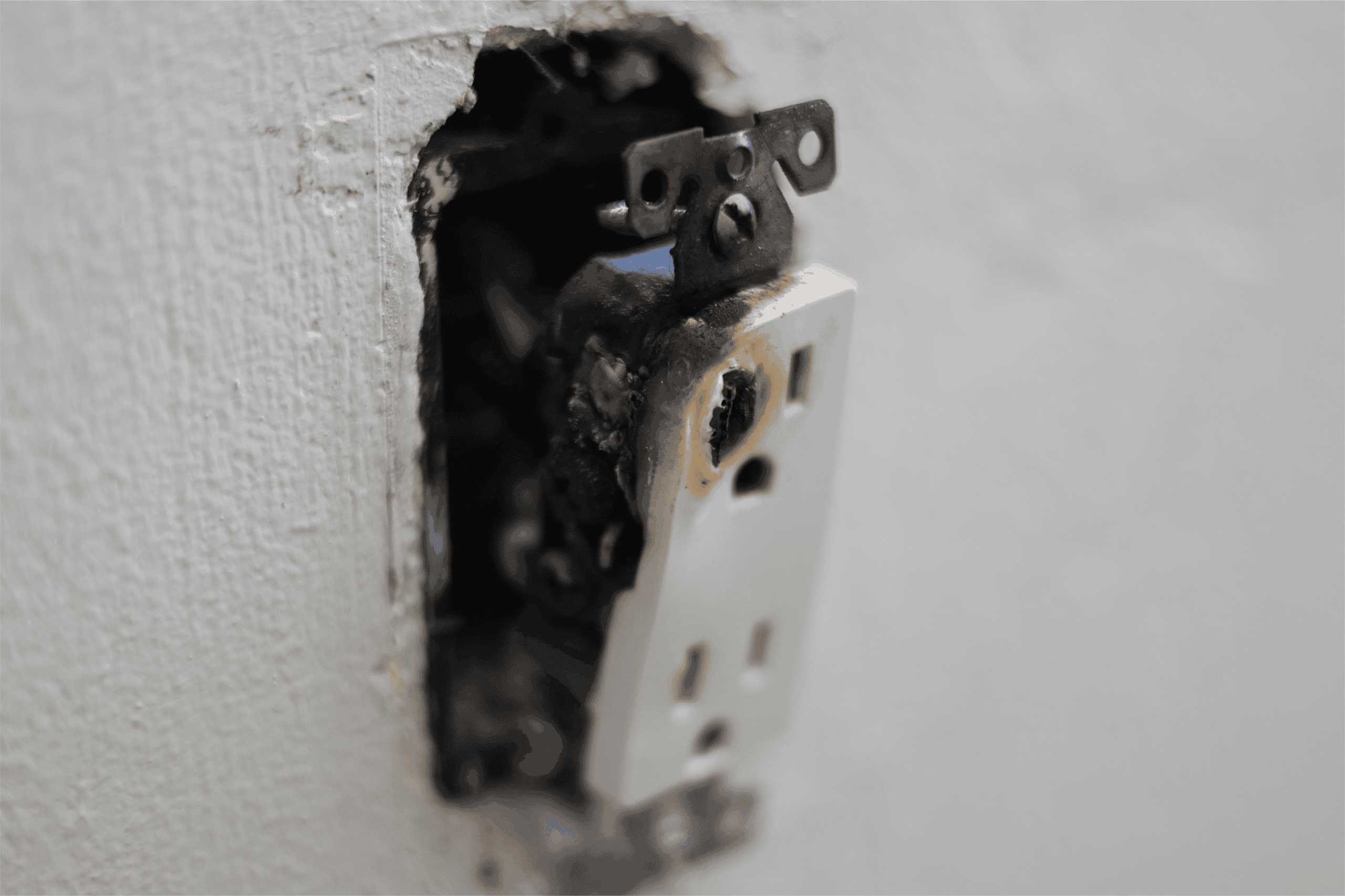
If you have a Ting sensor, you’ve already taken an important step to help protect your home against electrical fires. Now, with frozen pipe alerts and in-app guidance, you’re helping prevent water damage before it happens.
Stay warm, stay safe, and know that Ting is here to help protect your home from hidden electrical and water dangers.