 All Articles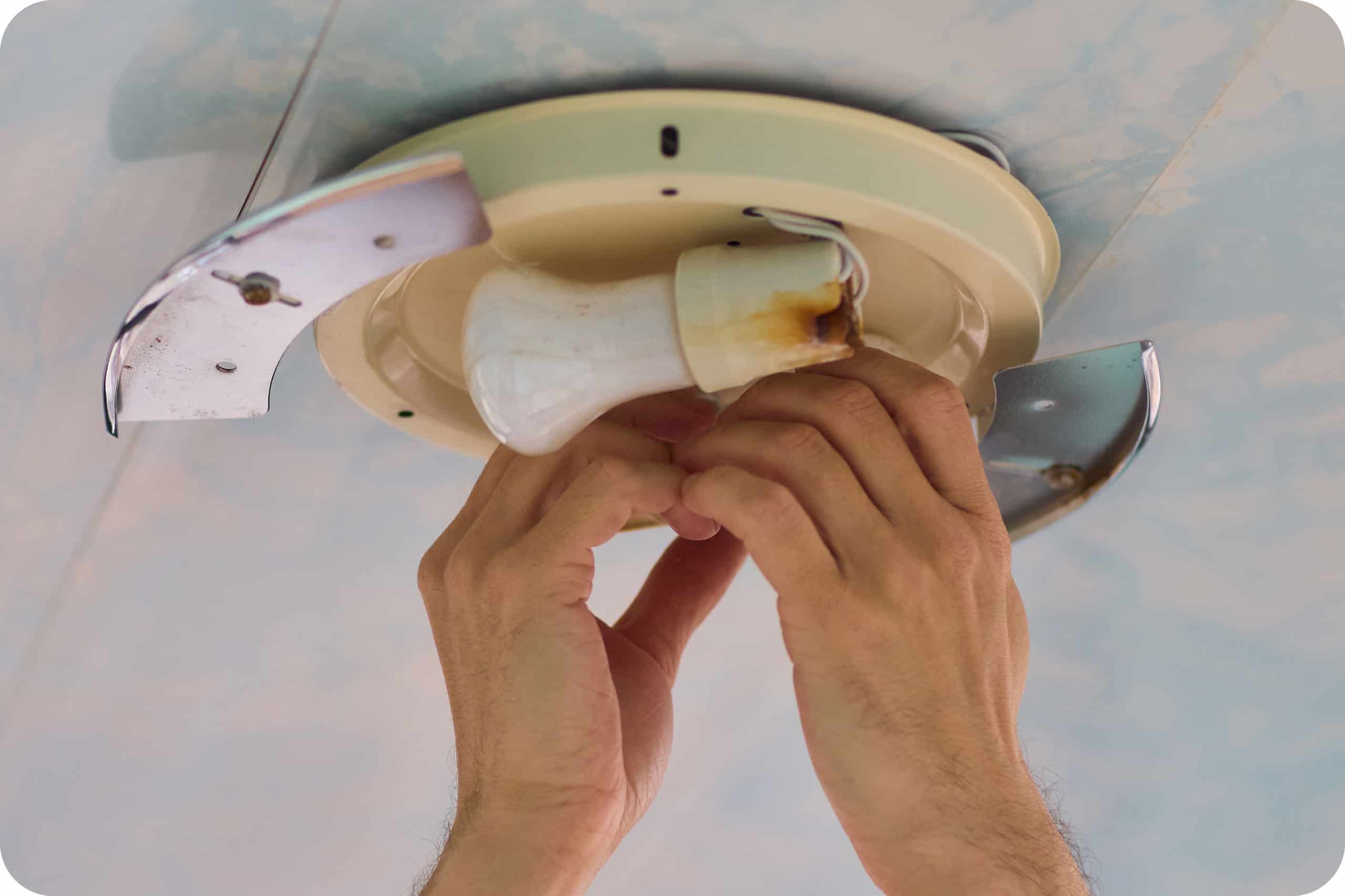
For many homeowners, spring is renovation season.
As the snow melts and warmer weather arrives, many of us feel reenergized for home improvements on the to-do list. But even projects that don’t seem electrical in nature can place new demands or cause damage to your home’s electrical system. Each year, Ting detects electrical fire hazards that develop after home renovations, repairs, and upgrades.
If you’re diving into a home project soon, here are five common electrical safety mistakes to avoid and help keep your family and home safe.
But I have Ting, why do I need this information? Ting (the sensor and service) is statistically proven to prevent ~80% of electrical fires, significantly reducing electrical fire risk in homes. Ting alone cannot eliminate 100% of electrical fire risks. Trust your senses. If something looks, sounds, or smells off, trust your instincts and please contact us immediately.
Before You Get Started: When to Call a Professional
Some projects carry higher risk and require specialized training, permits, or code knowledge. Even confident DIY homeowners should consider bringing in a licensed electrician for:
- Replacing or repairing an electrical outlet or switch
- Replacing or upgrading your electrical panel
- Running new circuits or rewiring rooms
- Troubleshooting breakers that trip repeatedly
- Any work that requires a permit in your area
If you have any doubts or questions, always hire a licensed electrician – it is better to be safe than sorry!
1. Overloading Outlets or Extension Cords During Projects
Renovations or even simple tasks often mean plugging multiple tools and devices into a single outlet. Shop vacs, space heaters, power tools, and chargers can all draw significant current, especially when used together. Repeated heavy loads can strain older outlets and connections, increasing the risk of overheating over time.
How to stay safe:
- Spread high-draw tools across different circuits whenever possible.
- Avoid plugging multiple power strips into one outlet.
- Use extension cords rated for the load and for temporary use only.
- Consider adding a dedicated circuit for permanent workshop or garage equipment.
Ting alerted me that there was an electrical fire hazard in my home. I had an outdoor extension cord plugged into an indoor socket while I was having some work done in my yard. Come to find out there had been a crack in the outer insulation of the extension cord. Water had gotten to the internal wires and that caused the arc. Ting saved my home from a disastrous situation.
– Julie H. | Maryland
2. Drilling or Nailing Into Hidden Wiring
Mounting shelves, cabinets, or wall decor requires drilling into walls. Electrical wires typically run vertically or horizontally from outlets and switches, and it’s easier than many homeowners realize to nick or partially damage a wire. A damaged conductor may not trip a breaker immediately but can create dangerous arcing that worsens over time.
How to stay safe:
- Use a stud finder with electrical detection before drilling.
- Avoid drilling directly above, below, or beside outlets and switches without confirming wire paths.
- Stop immediately if a breaker trips while drilling and have the area inspected.
- When in doubt, consult a professional before anchoring heavy items.
3. Adding Outdoor Lighting or Power Without Proper Protection
String lights, landscape lighting, deck outlets, and powered sheds are popular upgrades when creating your “outdoor oasis.” Outdoor electrical setups face moisture, temperature swings, and physical wear that indoor wiring does not. Over time, loose connections, degraded insulation, or improperly rated cords can lead to overheating or electrical fire hazards.
How to stay safe:
- Use only outdoor-rated extension cords and lighting labeled for exterior use.
- Ensure outdoor outlets are protected by GFCI devices.
- Avoid running extension cords through windows or under doors long-term.
- Secure and protect wiring from foot traffic, lawn equipment, and weather exposure.
- If installing permanent outdoor power, have circuits properly installed and protected.
Ting informed me that there was arcing. It just so happens that I had an unscrupulous “handy” (not so handy) man to replace an outdoor light fixture, who also replaced (wrong!) a GFCI outlet in my garage with a regular receptacle. It took the advice and expertise of an actual electrician to determine the new codes on the light fixtures. Problem solved! Thank you Ting Team!
– Deborah S. | Colorado
4. Replacing Fixtures Without Checking Wiring Condition
Swapping out a light fixture or ceiling fan may seem straightforward, but many older houses have old wiring that can be brittle or loosely connected. Disturbing those wires can weaken the connection and cause damage and arcing hazards to build up over time. Swapping light fixtures or ceiling fans is best performed by licensed electricians.
How to stay safe:
- Inspect wire insulation for cracking or deterioration before reconnecting.
- Use properly rated wire connectors and secure all terminations firmly.
- Make sure electrical boxes are not overcrowded.
- If wiring appears degraded or unfamiliar, pause and consult a licensed electrician.
5. Ignoring Small Warning Signs After the Project
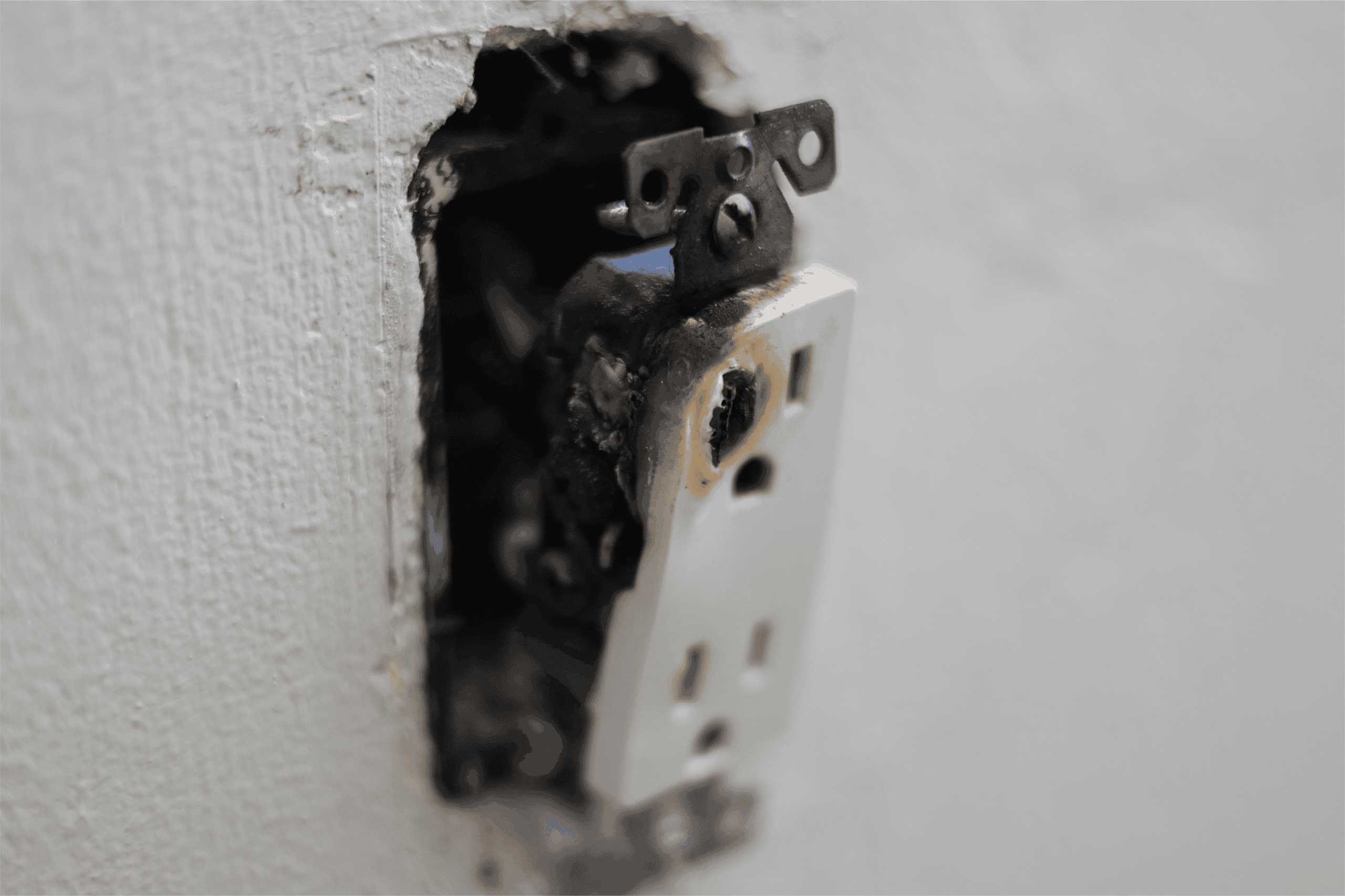
Electrical fire hazards often start with subtle changes: an outlet that feels warm, lights that flicker after adding new equipment, or a breaker that trips repeatedly. It’s easy to dismiss these as minor inconveniences. But they can signal developing problems behind the wall.
Electrical issues rarely resolve on their own. Small warning signs deserve attention.
How to stay safe:
- Investigate outlets or switches that feel warm or look discolored.
- Pay attention to new flickering lights or buzzing sounds.
- Do not repeatedly reset a breaker without identifying the cause.
- If something changes after a project, have it evaluated.
During a kitchen remodel, an electrical mis-wire caused a dangerous arc in our main breaker. Ting alerted us immediately, even before we noticed the lights flickering throughout the house. They helped us pinpoint the issue and confirm it was fully resolved after the electrician repaired the main breaker. Ting gave us real peace of mind and likely prevented a much more serious problem.
– Francis V. | Missouri
Spring home improvement projects should leave your home safer and more comfortable, not introduce new electrical fire hazards behind the walls. Taking a few extra electrical safety precautions (or calling in the professionals when needed) during DIY home projects can help prevent electrical fires and protect your family long after the tools are put away.
When it comes to your home’s electrical system, prevention is always safer than repair. Ting helps prevent electrical fires before they start, but awareness and safe habits remain essential for protecting your family.