 All Articles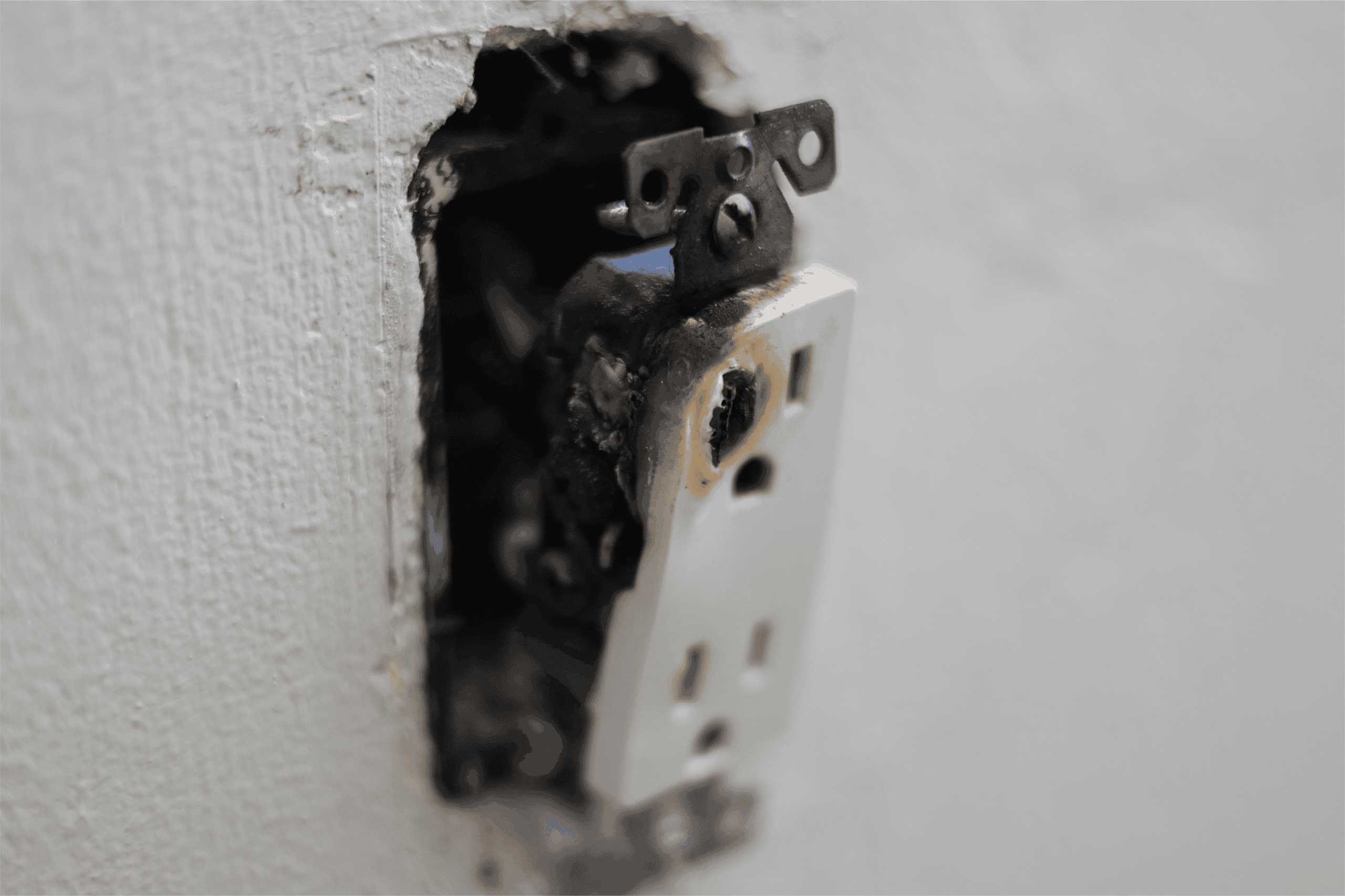
In 2025, Ting passed a meaningful milestone: over 25,000 electrical fire hazards detected and resolved. Each one represents a family spared from a potential devastating home fire, and a reminder of why prevention matters.
Every home today is its own electrical ecosystem: a web of aging wiring, power-intensive appliances, smart devices, EV chargers, and backup systems, all powered by a grid that can be unpredictable. As homes and habits evolve, so does the risk of developing dangerous electrical arcing.
Each year, those changes show up in the electrical fire hazards Ting detects and helps resolve. While new technologies bring new problems, we also see many of the same culprits time and time again.
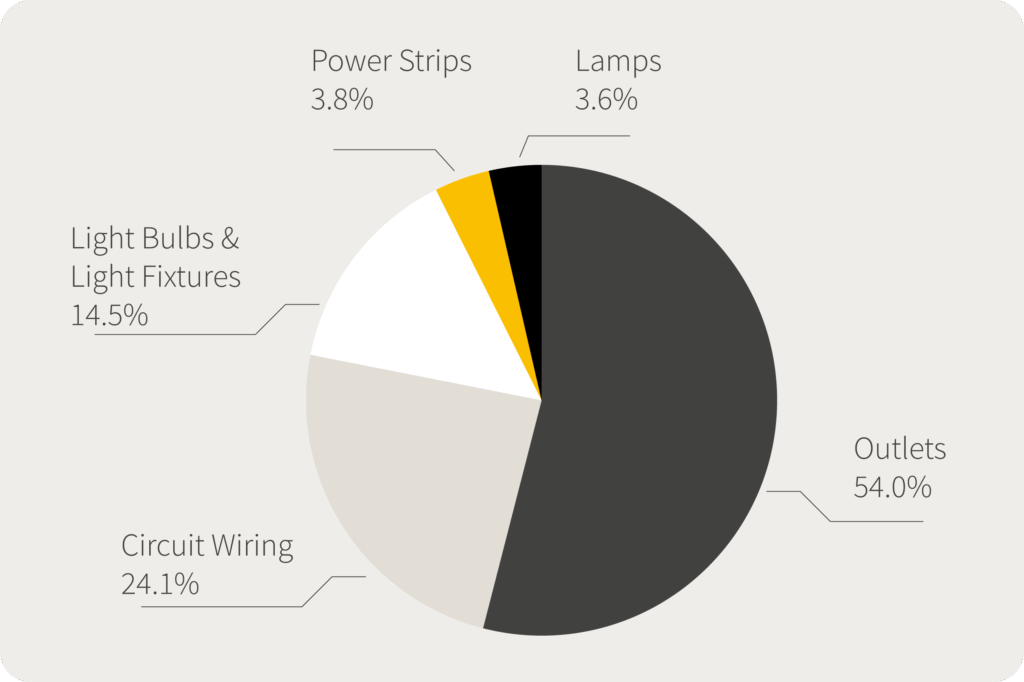
Based on all the homeowners our Ting Fire Safety Team worked with this past year, we’re sharing the top 5 most common electrical fire hazard sources detected by Ting in 2025 (and what you can do to help keep safe.)
Breakdown of Top 5 Detected Hazards
But I have Ting, why do I need this information? Ting (the sensor and service) is statistically proven to prevent ~80% of electrical fires, significantly reducing electrical fire risk in homes. Ting alone cannot eliminate 100% of electrical fire risks. Trust your senses. If something looks, sounds, or smells off, trust your instincts and please contact us immediately.
5. Lamps
Lamps are a go-to for soft mood lighting in living rooms and cozy corners. But behind that warm glow, Ting has detected hazards tied to loose bulbs, damaged cords, and faulty components.
How to use lamps safely:
- Use bulbs that match the lamp’s recommended wattage.
- Ensure bulbs are seated securely, as loose bulbs can overheat.
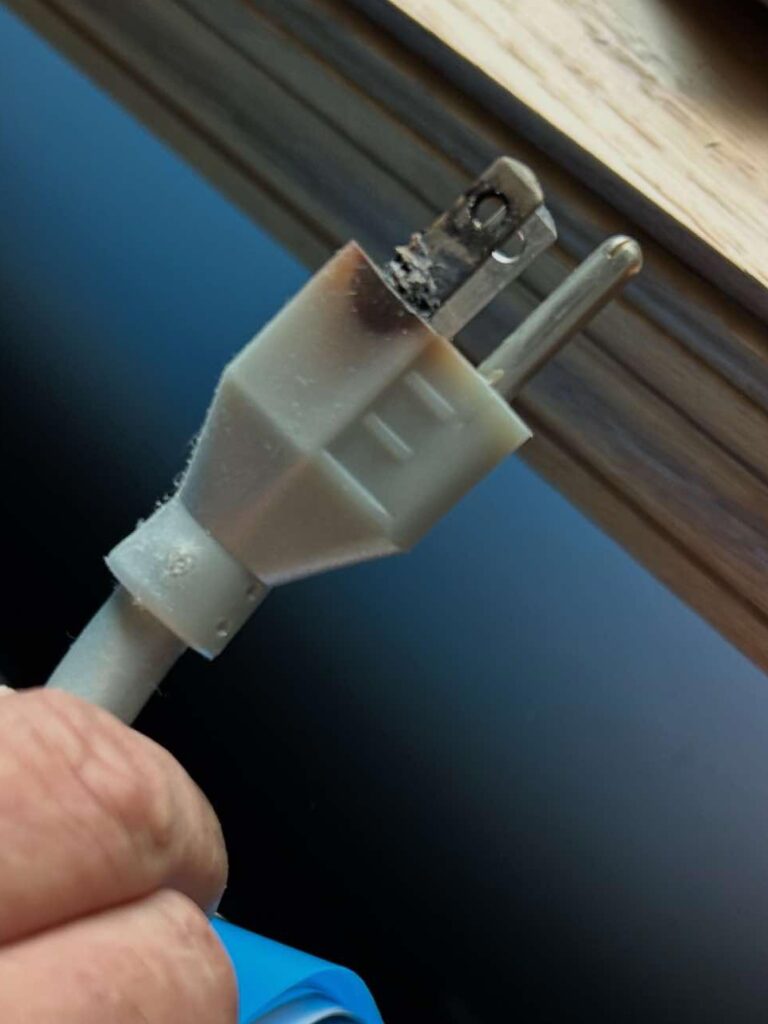
- Check cords regularly for fraying or damage (especially near the plug.)
- Avoid pinching cords under rugs or furniture.
- Keep lamps away from curtains, bedding, and other flammable materials.
- Unplug lamps that flicker, feel hot, or behave abnormally.
I received a fire hazard alert through the Ting app. After some troubleshooting we discovered the problem was a bad table lamp. Problem solved! The arcing could have eventually caused an electrical fire. Thank you team Ting!
– Robert B. | Kentucky
4. Power Strips
Power strips are a staple in many homes, especially around TVs and home offices. Once they’re plugged in and working, they often fade into the background: rarely checked, rarely replaced. Over time, wear and tear or overloading them can cause a fire hazard.
How to use power strips safely:
- Plug power strips directly into a grounded wall outlet and never into an extension cord or another power strip.
- Stick to low-power electronics (like chargers or laptops). Avoid plugging in space heaters, AC units, or dehumidifiers.
- Don’t hide power strips under rugs or behind furniture where dust and build up on the power strip and where heat can build up.
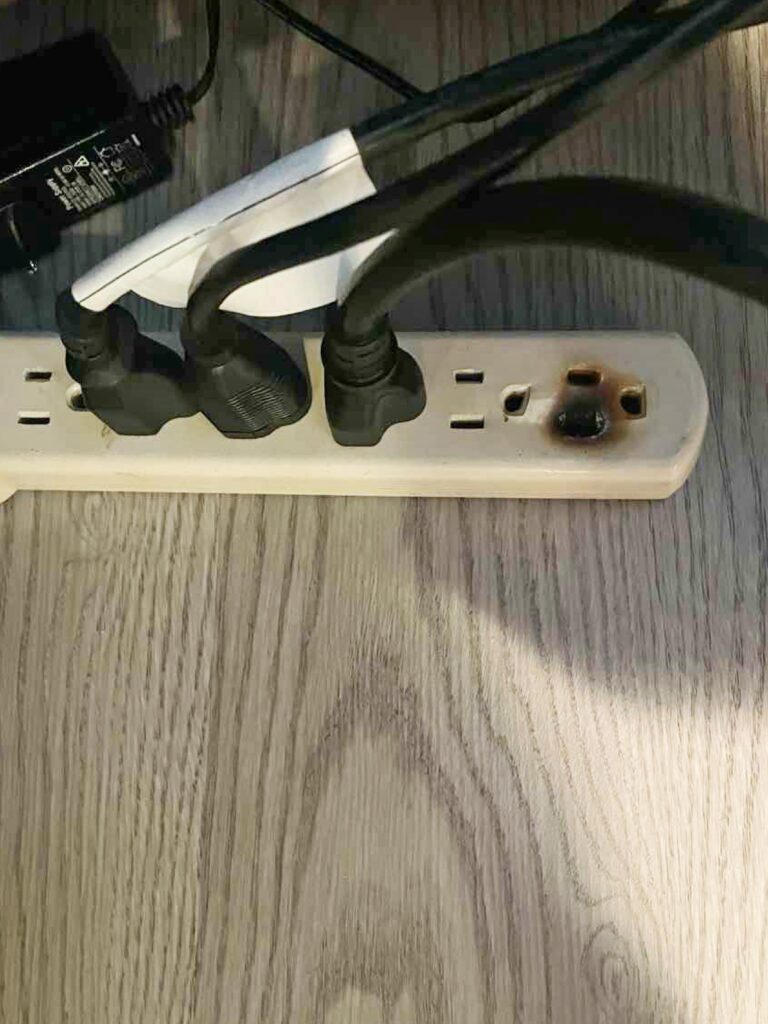
- Check regularly for damage, discoloration, or melted plastic which are signs it’s time to replace it.
Ting alerted us that there was a fire hazard detected. Very quickly we found a power strip that was short circuiting and starting to turn black. It was in an out-of-the-way spot and we never would have noticed before it was too late. We unplugged and disposed of it and have not had any more trouble. Ting saved us from a potential disaster!
– Katrina P. | Kentucky
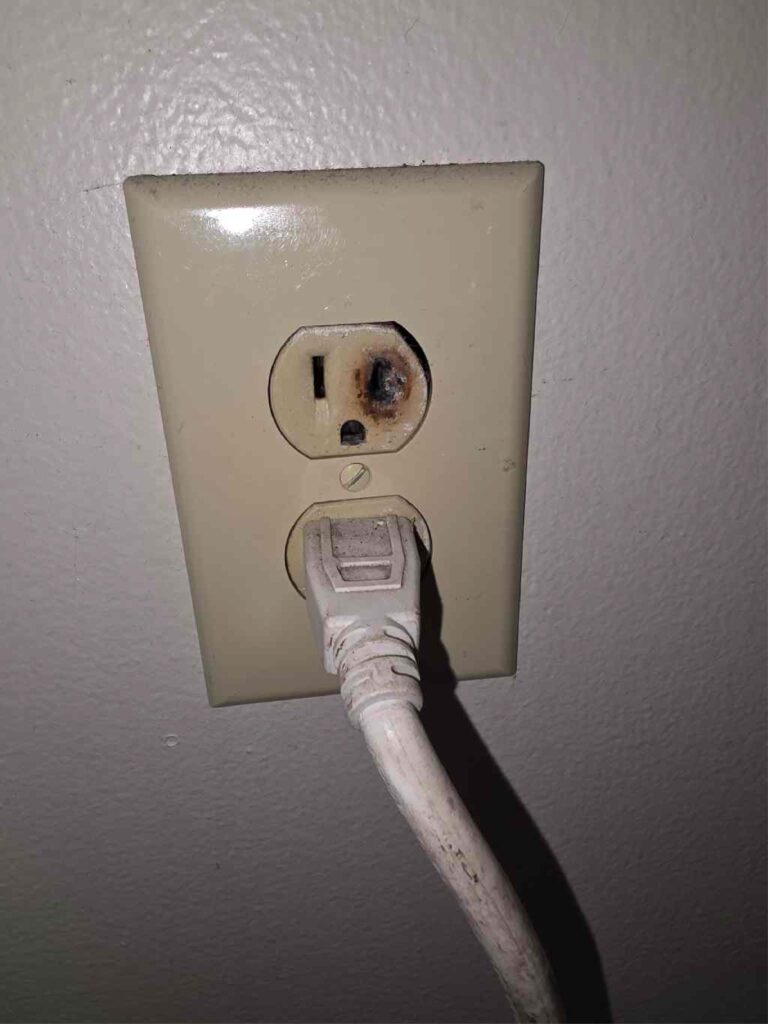
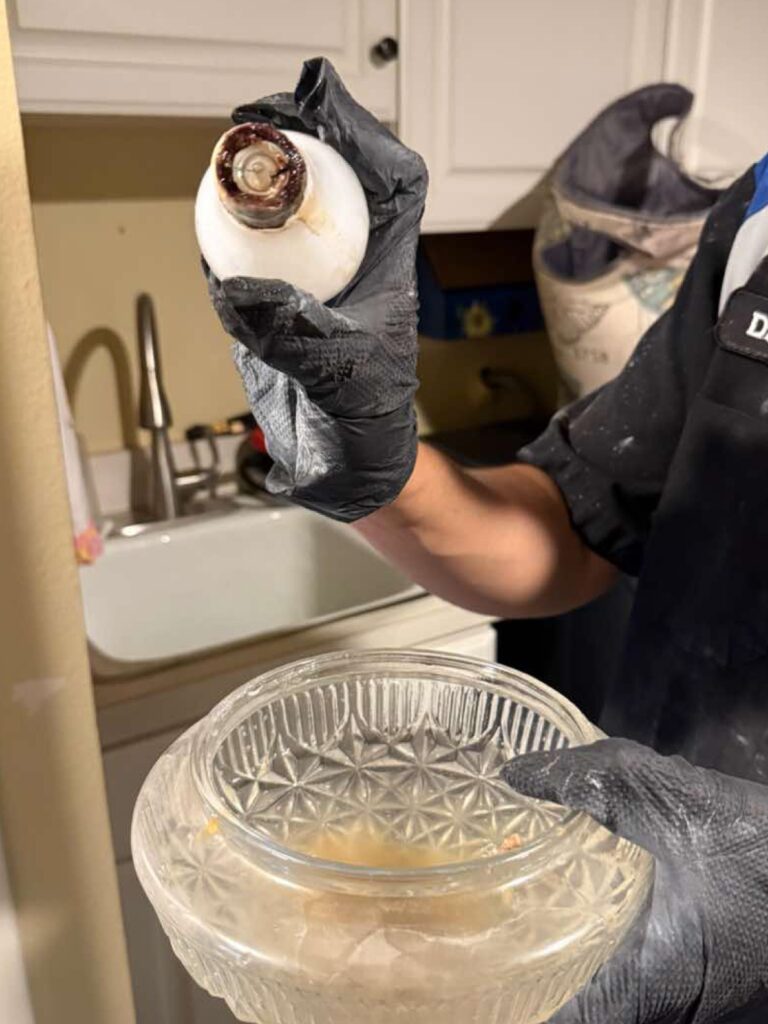
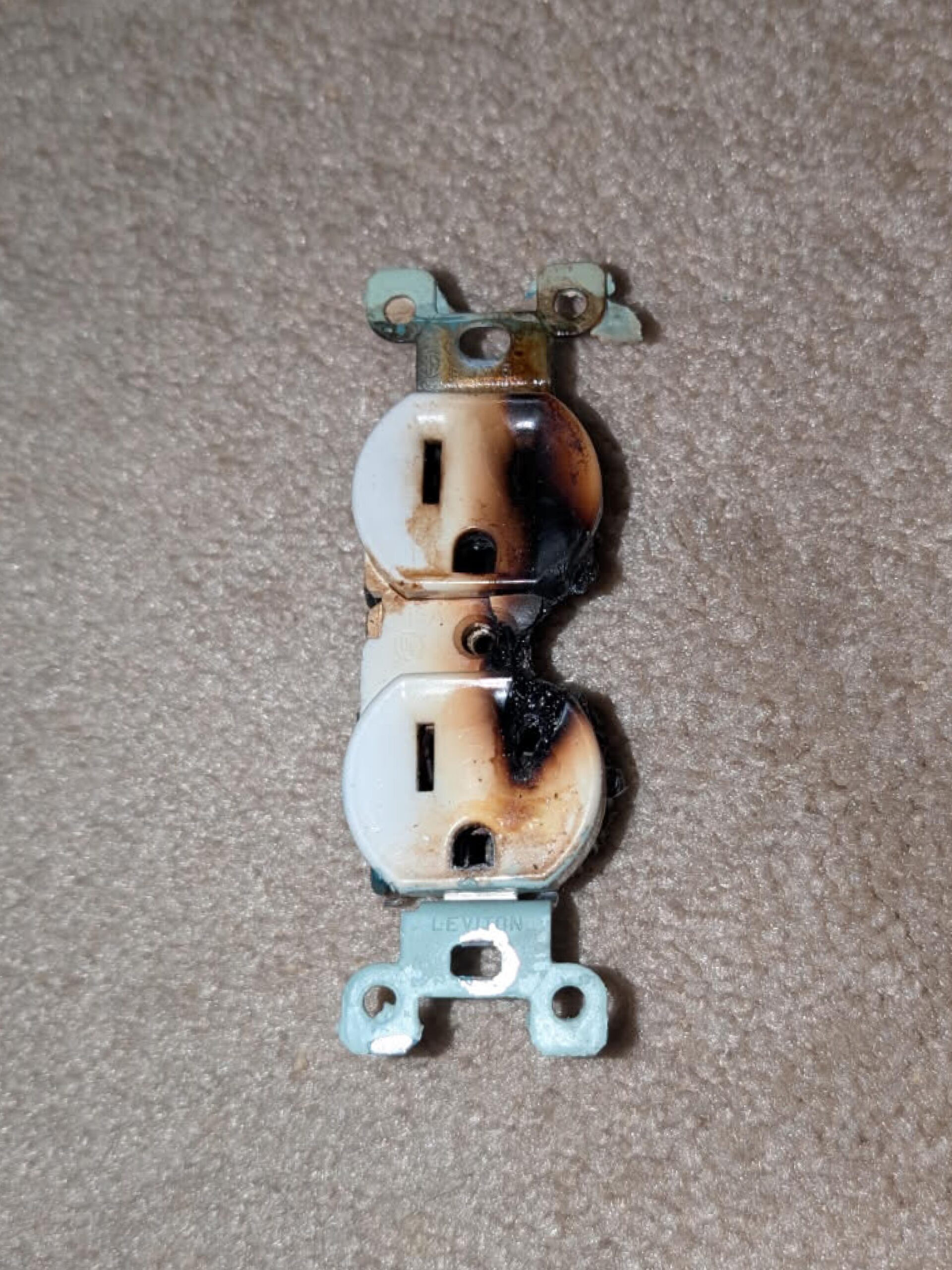
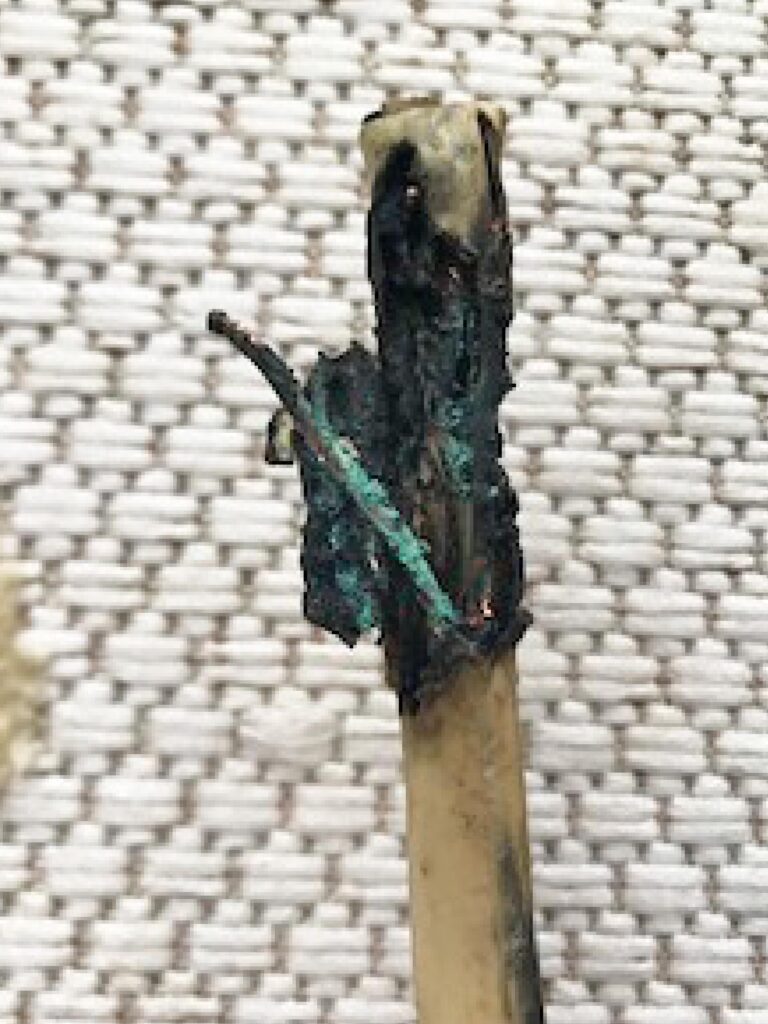
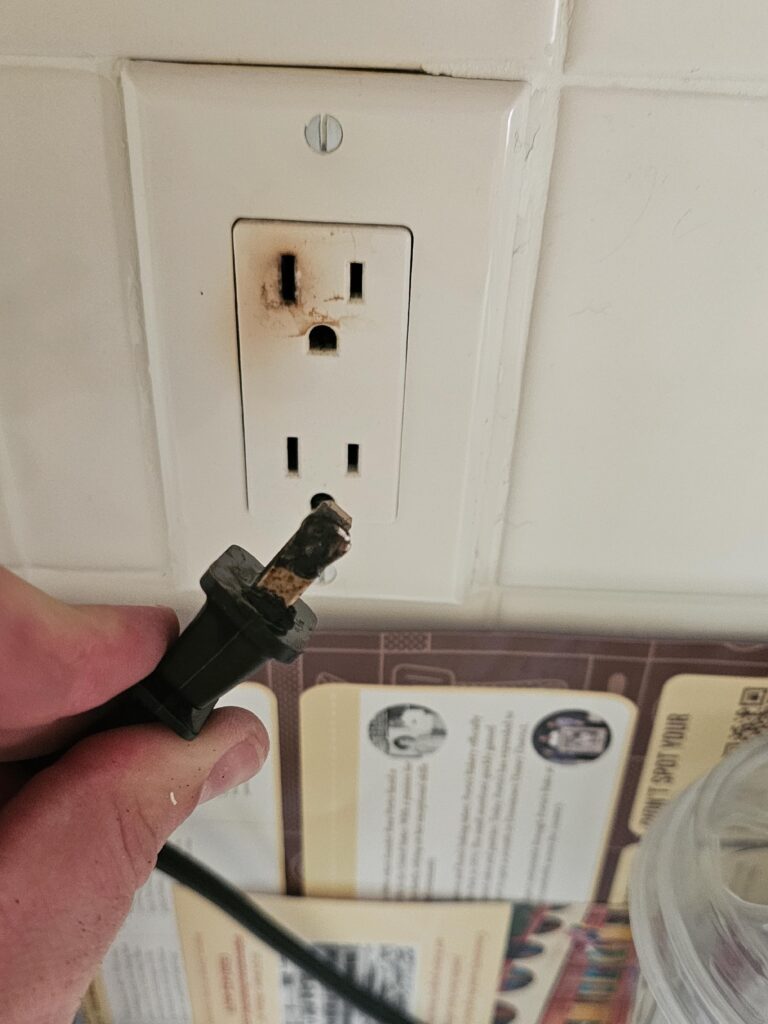
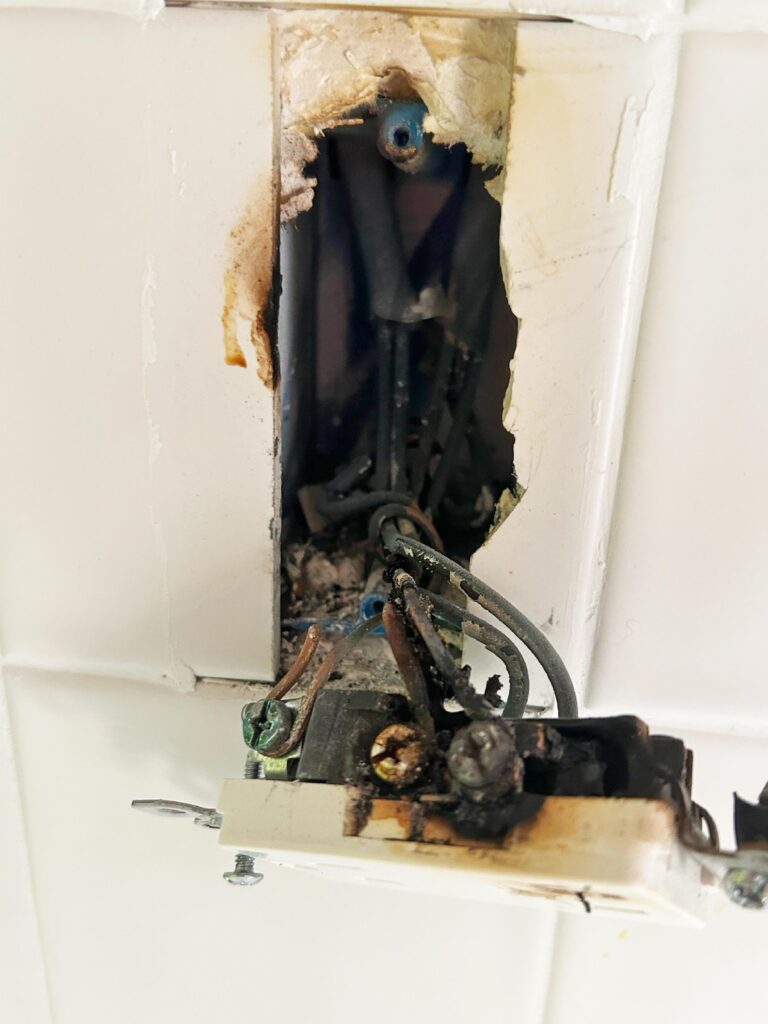
Check out a few examples of what these hazards can look like (fortunately these were detected by Ting before a fire could start!)
3. Light Fixtures & Light Bulbs
With dozens of bulbs and fixtures scattered throughout our homes used every day, it’s easy to miss the signs of wear or damage. But from old wiring to loose-fitting bulbs, lighting remains one of the most common sources of arcing Ting detects.
How to use light bulbs and light fixtures safely:
- Always match the bulb to the fixture’s wattage rating. Overheated bulbs can melt sockets or wiring insulation.
- Upgrade to LEDs where possible, which run cooler and last longer.
- If a bulb flickers or doesn’t sit securely, replace it or have the fixture inspected.
- Exposed bulbs (especially in basements, closets, or garages) should be enclosed or swapped for cooler, safer LEDs.
- For hardwired fixtures (especially in older houses), poor installation or corroded connections can be a fire risk. When in doubt, call a pro.
It was a surprise to get alerts from Ting telling me that there was a problem detected. The comprehensive troubleshooting process identified the issue as being in a fan lighting fixture – in my baby’s nursery! They worked with me to schedule an electrician and then worked with me to replace the fan unit in question. Great peace of mind and amazing real time electrical reporting.
– Larry L. | Virginia
2. Circuit Wiring
Wiring runs behind most walls in our homes, connecting outlets, lights, and appliances to the power they need to operate. Age, improper installation, rodent damage, or even DIY electrical work can all lead to dangerous arcing hidden from sight.
How to help prevent problems with your home’s wiring:
- If your home is older than 30 years, consider having a licensed electrician inspect your wiring, especially if it hasn’t been checked recently.
- Be cautious when drilling into walls or hanging heavy items to prevent damaging wires.
- Don’t ignore repeated tripped breakers or lights that dim when appliances turn on, which could be signs of wiring issues.
- If you’ve added major new appliances or home systems (like EV chargers), make sure your wiring can handle the load.
During a kitchen remodel, an electrical mis-wire caused a dangerous arc in our main breaker. Ting alerted us immediately, even before we noticed the lights flickering throughout the house. Their monitoring and technical support helped us pinpoint the issue and confirm it was fully resolved after the electrician repaired the main breaker. Ting gave us real peace of mind and likely prevented a much more serious problem.
– Francis V. | Missouri
1. Outlets
Outlets top our list year after year, and for good reason. Most rooms in a home have between 4 and 6 outlets, which adds up fast. These everyday fixtures are where electricity flows from your home’s wiring into the devices you use constantly. But behind a single outlet, there might be aging wiring, loose connections, or signs of wear that are easy to miss but capable of sparking a fire.
How to use outlets safely:
- Make sure outlets feel solid and don’t shift or wiggle when plugging in a device.
- Replace older outlets every 15-25 years, especially in high-use areas.
- Never force a three-prong plug into a two-prong outlet.
- If you notice burning smells, discoloration, or smoke, stop using the outlet immediately, turn off the breaker, and contact our Fire Safety Team or a licensed electrician.
- Install tamper-resistant outlets in homes with young children.
Ting’s Fire Safety Team alerted me to an active arcing problem. They helped me quickly locate the source to a specific wall outlet. Upon removal of the outlet’s cover plate, I immediately saw severe scorching and substantial melting away of the neutral side of the outlet unit. Without Ting, I expect I would have soon been calling the fire department instead of just an electrical repairman.
– Lewis B. | Alabama
Honorable Mentions
These hazards didn’t make the top five, but they showed up often enough to deserve a mention.
Light switches
Loose wiring or worn-out components inside a light switch can lead to arcing and overheating. If a switch feels warm or makes a crackling sound, stop using it and call an electrician.
Heated pet products
Heated pet beds, heating pads, and heated pet bowls are another common arcing source Ting detects frequently, as they can malfunction or overheat if left on for long periods. Always use as directed and look for safety-tested certifications.
Extension cords
Extension cords are often used in outdoor settings or unconditioned parts of homes, making them prone to wear and tear over time. Never daisy chain an extension cord with other cords or power strips, and limit their use for short-term needs.
Looking Ahead in 2026
As we reflect on the electrical fire hazards Ting detected and helped resolve in 2025, we’re reminded of how grateful we are to be part of your homes, your families, and your safety.
We’re already hard at work in 2026, and while we hope you’ll never need a call from our Fire Safety Team, we’ll be here if you do.