 All Articles
Most homeowners know water and electricity don’t mix. As summer storms, humidity, and heavy rain arrive, it’s a good reminder that even small amounts of moisture and leaks can create hidden electrical problems.
In fact, Ting frequently detects a type of electrical arcing known as wet tracking, when moisture creates a conductive pathway across damaged insulation causing the electricity to “track” and arc along the wire. Like all electrical arcing, the temperature of each small arc can reach the temperature of the sun. These hazards are dangerous and can lead to a catastrophic electrical fire.
Here are some of the most common ways water and electricity can become a dangerous combination, and how to help stay safe.
Outdoor Electrical Outlets
Outdoor electrical outlets face much harsher conditions than outlets inside the home. Exposure to rain, humidity, temperature swings, dirt, and pests can all contribute to wear over time. Because these outlets are installed within exterior walls and near combustible building materials, electrical problems can be especially concerning.
Ting frequently detects hazards involving exterior outlets, particularly when water intrusion leads to electrical arcing and deteriorating connections. In some cases, damage can continue to worsen even after the outlet appears dry.
Electrical safety tips for outdoor outlets:
- Make sure all outdoor outlets are protected by GFCI outlets or breakers
- Inspect outlet covers for cracks, gaps, or signs of water intrusion
- Watch for discoloration, corrosion, or other signs of damage around outdoor outlets
- Replace damaged weatherproof covers promptly
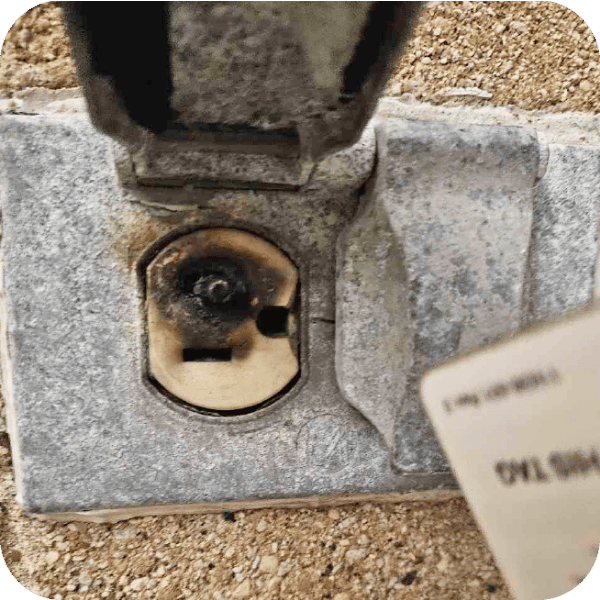
Arcing caused by water infiltration in an outdoor outlet that was not GFCI protected or waterproof, detected by Ting.
Sump Pumps
Sump pumps play a critical role in preventing basement flooding, especially during heavy summer storms. But because they often sit idle until they’re needed most, problems can go unnoticed.
Ting has detected electrical arcing involving aging sump pumps, worn motors, and damaged electrical components.
Electrical safety tips for sump pumps:
- Test your sump pump before storm season (that’s now – don’t wait until you need it!)
- Replace sump pumps that show signs of wear, corrosion, unusual noises, or inconsistent operation
- Keep the area around the pump dry and clear of debris
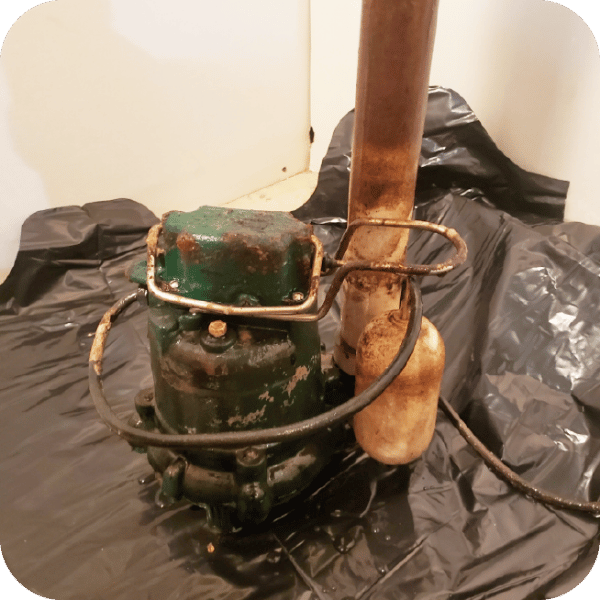
“Ting notified us of an electrical arcing situation with our sump pump which was 20 years old. Due to how it was originally installed we would not have known of this defect which could have led to a backup of sewage, or worse, a potential fire hazard. Kudos to Ting.”
– Dick A. | Ohio
Water Heaters
Water heaters are one of the most common water-related electrical hazards Ting detects. Over time, power supply connections and other internal electrical components can wear down, loosen, or become damaged. Leaks and moisture exposure may accelerate that process, increasing the risk of electrical arcing inside the unit.
Electrical safety tips for water heaters:
- Have your water heater inspected regularly by a qualified plumber or electrician
- Address small leaks before they become larger problems
- Never ignore the smell of burning or buzzing sounds coming from the unit
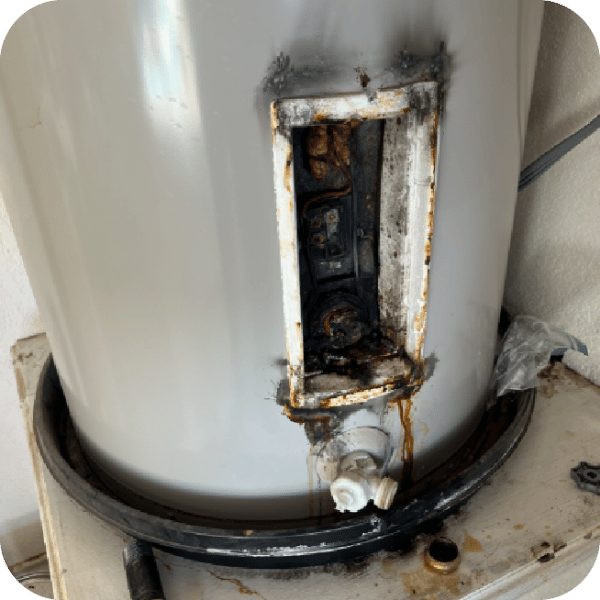
“I received a call from Ting informing me of a fire hazard in my home. I noticed traces of smoke on my water heater in the garage. I called plumbers to inspect my water heater, and they discovered that the “control box” was completely fried! The plumbers installed a new water heater to Ting’s specifications. Thank you, Ting!!”
– June W. | Texas
Leaks, Flooding, and Water Intrusion
Water-related electrical hazards can start with just a small leak, or a major flood. Moisture can enter the home through leaking windows, foundation cracks, burst pipes, appliance failures, water heater leaks, or severe weather.
Whether it’s a small leak or standing water, moisture can damage outlets, extension cords, power strips, wiring, electrical panels, and other equipment. Over time, water exposure can lead to corrosion, deteriorating electrical connections, and increased risk of electrical arcing. In more severe flooding events, damage may remain hidden even after the area appears dry.
Electrical safety tips for leaks and floods:
- Check for signs of water intrusion after heavy rain or storms
- Address leaking windows, foundation cracks, plumbing leaks, and appliance leaks promptly
- Watch for rust, corrosion, or moisture near electrical panels, outlets, and equipment
- Never use electrical equipment that has been submerged in water
- Have flood-damaged electrical systems inspected by a licensed electrician before returning them to service
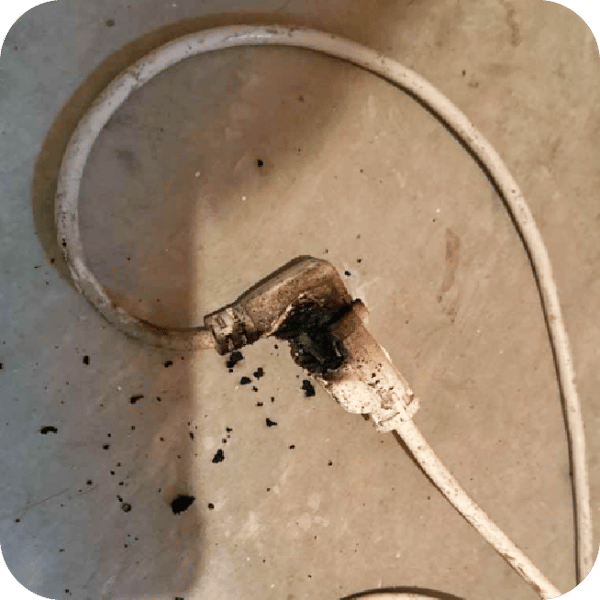
An extension cord that was submerged in water from a leaking pipe, detected by Ting.
Dehumidifiers and Moisture Control Equipment
Many homeowners rely on dehumidifiers to manage damp basements and utility spaces during the summer months.
Because these appliances often run for long periods in out-of-sight areas of the home, electrical wear can build over time. Ting frequently detects problems involving aging or failing dehumidifiers, particularly in damp environments.
Electrical safety tips for dehumidifiers:
- Check for recalls on your specific model via the CPSC database
- Only use Energy Star-certified, UL-listed dehumidifiers
- Place the unit away from walls or drapes to allow airflow
- Avoid running continuously without breaks – use a timer or humidity sensor instead
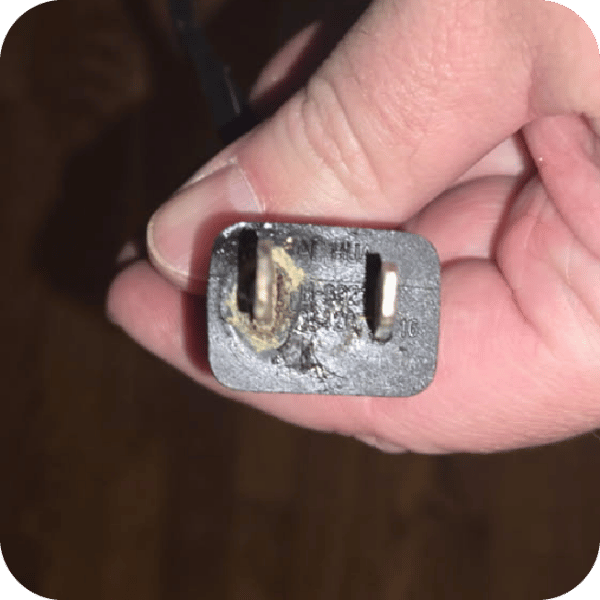
A damaged dehumidifier plug that was arcing, detected by Ting.
Pools and Hot Tubs
Pools and hot tubs are one of the most obvious places where water and electricity come together. Because much of the equipment operates outdoors and is exposed to moisture, weather, and temperature changes year-round, electrical components can deteriorate over time.
Ting has detected numerous problems involving pool pumps, lighting systems, outdoor outlets, and electrical equipment exposed to water intrusion. Moisture inside outlets, damaged conduit, corroded connections, and aging equipment can all contribute to electrical arcing and other hidden hazards.
Electrical safety tips for pools and hot tubs:
- Test GFCI outlets and breakers regularly
- Inspect outdoor outlets and weatherproof covers for signs of water intrusion
- Replace aging pool pumps, lights, and electrical equipment that show signs of wear
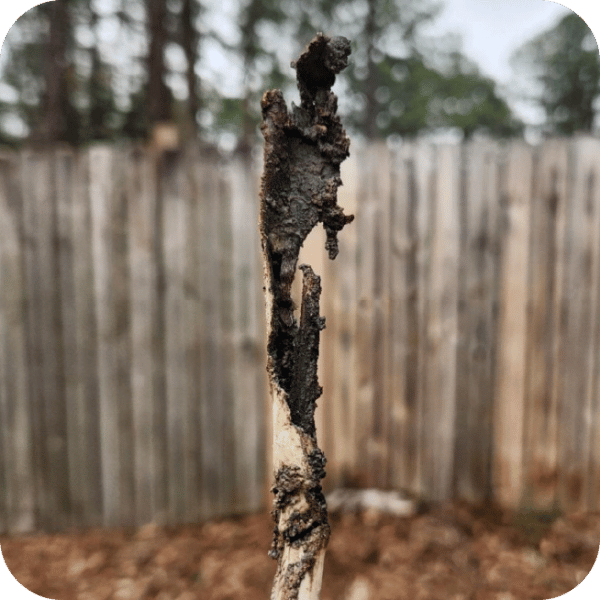
“A broken wire that was buried under concrete began to cause problems. Our pool pump stopped working. Ting pinpointed what the issue was allowing me to diagnose the problem much easier. The Ting representatives were informed and helpful.”
– William W. | South Carolina
Don’t Forget About GFCI Protection
Ground Fault Circuit Interrupter (GFCI) outlets are designed to help protect against electrical hazards in areas where water and electricity may come into contact. That’s why they’re commonly found in kitchens, bathrooms, garages, basements, laundry rooms, outdoor spaces, and around pools and hot tubs.
Test GFCI outlets regularly using the built-in “Test” and “Reset” buttons, and replace them if they fail to trip properly. Like any electrical device, GFCIs can wear out over time and may need replacement to continue providing protection.
While GFCIs are an important electrical safety device, they can’t detect every type of electrical fire hazard. Used together, GFCI protection and Ting provide multiple layers of protection throughout the home.
Water and electricity will always share space in and around the home. The key is recognizing how moisture, leaks, corrosion, and water-damaged equipment can create hidden electrical fire hazards over time.
A few simple inspections and maintenance checks can help identify problems early. Ting helps detect electrical fire hazards before they turn into fires, helping families stay safer through every season.
Even with Ting, you play an important role in your home’s electrical safety. Ting (the sensor and service) is statistically proven to prevent ~80% of electrical fires, significantly reducing electrical fire risk in homes. Ting alone cannot eliminate 100% of electrical fire risks. Trust your senses. If something looks, sounds, or smells off, trust your instincts and please contact us immediately.