 All Articles
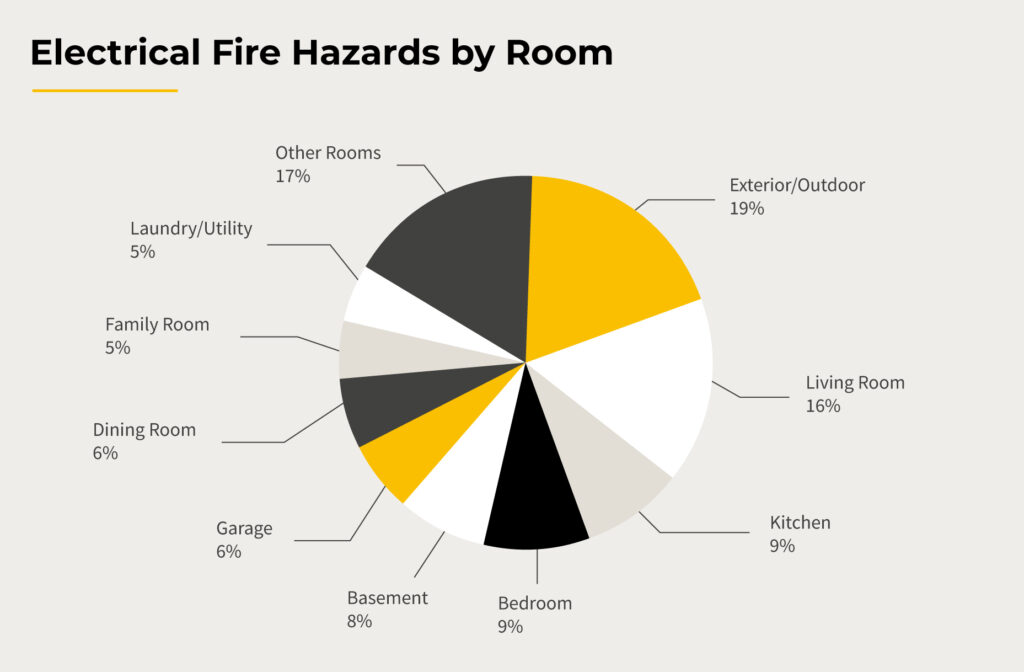
Just like certain devices are common sources of electrical hazards, some areas of the home see problems more often than others too.
Each room in a home has its own electrical demands, environmental conditions, and types of equipment. Kitchens combine moisture and high-powered appliances, living rooms concentrate electronics and power strips, while basements often contain aging electrical infrastructure in damp, unconditioned spaces.
Here are the top five rooms in homes where Ting most often detects electrical fire hazards, and a few ways to help reduce risk around your own home.
But I have Ting, why do I need this information? Ting (the sensor and service) is statistically proven to prevent ~80% of electrical fires, significantly reducing electrical fire risk in homes. Ting alone cannot eliminate 100% of electrical fire risks. Trust your senses. If something looks, sounds, or smells off, trust your instincts and please contact us immediately.
#5: Basements
Basements often contain the home’s electrical backbone, perhaps housing your electrical panel, exposed wiring, and even some large appliances and utility equipment. They’re also often not fully conditioned, moisture-prone spaces where electrical systems and equipment can stay out of sight.
In basements, Ting commonly detects arcing in outlets, loose connections or damaged breakers within electrical panels, failing sump pump or water heater components, faulty dehumidifiers and space heaters, and misused extension cords.
How to stay safe:
- Check basement outlets regularly for signs of wear, discoloration, or loose plugs
- Avoid relying on extension cords for long-term power needs
- Replace older or frequently running dehumidifiers that show signs of wear or malfunction
- Have older (25+ years) electrical panels and wiring inspected by a licensed electrician
- Address moisture, leaks, or corrosion near electrical equipment promptly
Ting reached out when an issue was detected & determined it was in our basement circuit. In just a few minutes they narrowed it down to a dehumidifier that had poor connections on an after-market plug. Wires were overheated & started melting the plastic plug. We feel Ting saved us a from a potential catastrophic loss.
– David D. | Massachusetts
#4: Bedrooms
Bedrooms may seem lower risk, but they often contain electrical devices and lighting that stay powered for long periods (especially overnight, when problems are less likely to be noticed immediately.)
In bedrooms, Ting frequently detects arcing in overloaded outlets and power strips behind beds or furniture, damaged charging cables, aging lamps, and light fixtures and ceiling fans. Portable heaters and electric blankets can also become hazards if damaged or improperly used.
How to stay safe:
- Avoid running cords under rugs or across doorways
- Replace damaged charging cables and extension cords
- Don’t overload bedside outlets or power strips
- Unplug space heaters when not in use or when you leave the room
- Replace older electric blankets showing wear or overheating
I have an older home built in 1970, so thought it would be a good idea to use Ting. They found electrical arcing in the ceiling fan of my bedroom which could have been a potential fire. Some of the wires were melted. So yes I believe in Ting!!!
– Amy W. | South Carolina
#3: Kitchens
Kitchens combine high-powered appliances, heat, moisture, and constant daily use — creating an environment where electrical problems can develop over time.
In kitchens, Ting often detects arcing in GFCI outlets, malfunctioning countertop appliances, aging light fixtures, and post-renovation problems.
How to stay safe:
- Test kitchen GFCI outlets regularly and replace them if they stop functioning properly
- Replace outlets that feel loose, warm, or no longer hold plugs securely
- Avoid overloading outlets with multiple high-power countertop appliances
- Watch for flickering, buzzing, or overheating light fixtures
- Have electrical work from past renovations inspected if something doesn’t seem right
We were notified by the Ting Fire Safety Team that there was arcing in one of our electrical circuits. We tracked the source to an old kitchen cooktop. We do believe that Ting may have prevented a potentially tragic house fire.
– Doris S. | Alabama
#2: Living Rooms
Living rooms are one of the most heavily used electrical areas in many homes. Because so many devices stay plugged in and running for long periods throughout the day, electrical wear can build up quietly over time.
In living rooms, Ting commonly detects arcing in aging outlets, damaged cords hidden behind furniture, and old lamps. Space heaters plugged into power strips are another frequent concern during colder months.
How to stay safe:
- Avoid plugging space heaters into living room power strips or entertainment center surge protectors
- Make sure cords behind TVs, couches, and entertainment centers aren’t pinched, bent, or covered by rugs
- Replace older floor and table lamps with loose plugs, flickering bulbs, or frayed cords
- Avoid stacking too many high-power devices onto a single outlet or power strip
- Periodically check outlets behind furniture for warmth, discoloration, or loose connections
Ting discovered a possible fire hazard for one of the electrical sockets in my living room. This socket was providing power to our family printer which is not used on a regular daily basis. The electrician found the wiring for the socket was installed incorrectly so there were burn marks on the fixture. A new socket was installed with proper wiring.
– Glenn F. | Hawaii
#1: Exterior/Outdoors
The most common area where Ting detects electrical problems isn’t actually inside the home at all! Outdoor electrical equipment faces constant exposure to rain, humidity, heat, cold, dirt, pests, and UV damage, conditions that can wear down electrical components over time.
Outside of homes, Ting often detects arcing in exterior outlets, pool and hot tub equipment, HVAC disconnects, corroded landscape lighting, and compromised extension cords or holiday lighting. Even outdoor heated pet houses frequently top the list!
How to stay safe:
- Replace cracked, loose, or weather-damaged outdoor outlets and outlet covers
- Test exterior GFCI outlets regularly, especially near patios, pools, and decks
- Avoid leaving extension cords or holiday lighting plugged in long-term outdoors
- Check landscape lighting and outdoor cords for fraying, moisture exposure, or rodent damage
- Have aging exterior electrical equipment inspected if you notice flickering, corrosion, or breaker trips
Ting detected electrical arcing in one of my outlets. Water had somehow gotten behind the outdoor outlet and the outlet was actually melting. It was 22 degrees out so I would have never noticed it. Eventually it would have probably burned down my house. An emergency electrician came out to fix it, he was amazed the house didn’t catch on fire. It really saved my family’s life.
– Philip D. | Pennsylvania
Honorable Mention
Garages
Garages often contain high-powered tools, battery chargers, refrigerators, freezers, and aging outlets exposed to dust, heat, and temperature swings. Ting frequently detects fire hazards tied to garage outlets, extension cords, and worn electrical equipment in garage spaces.
Electrical fire hazards can develop quietly in nearly every part of the home, often in places homeowners rarely think to check. A few simple electrical safety habits, regular inspections, and preventative technology like Ting can go a long way toward helping prevent problems before they become dangerous.