 All Articles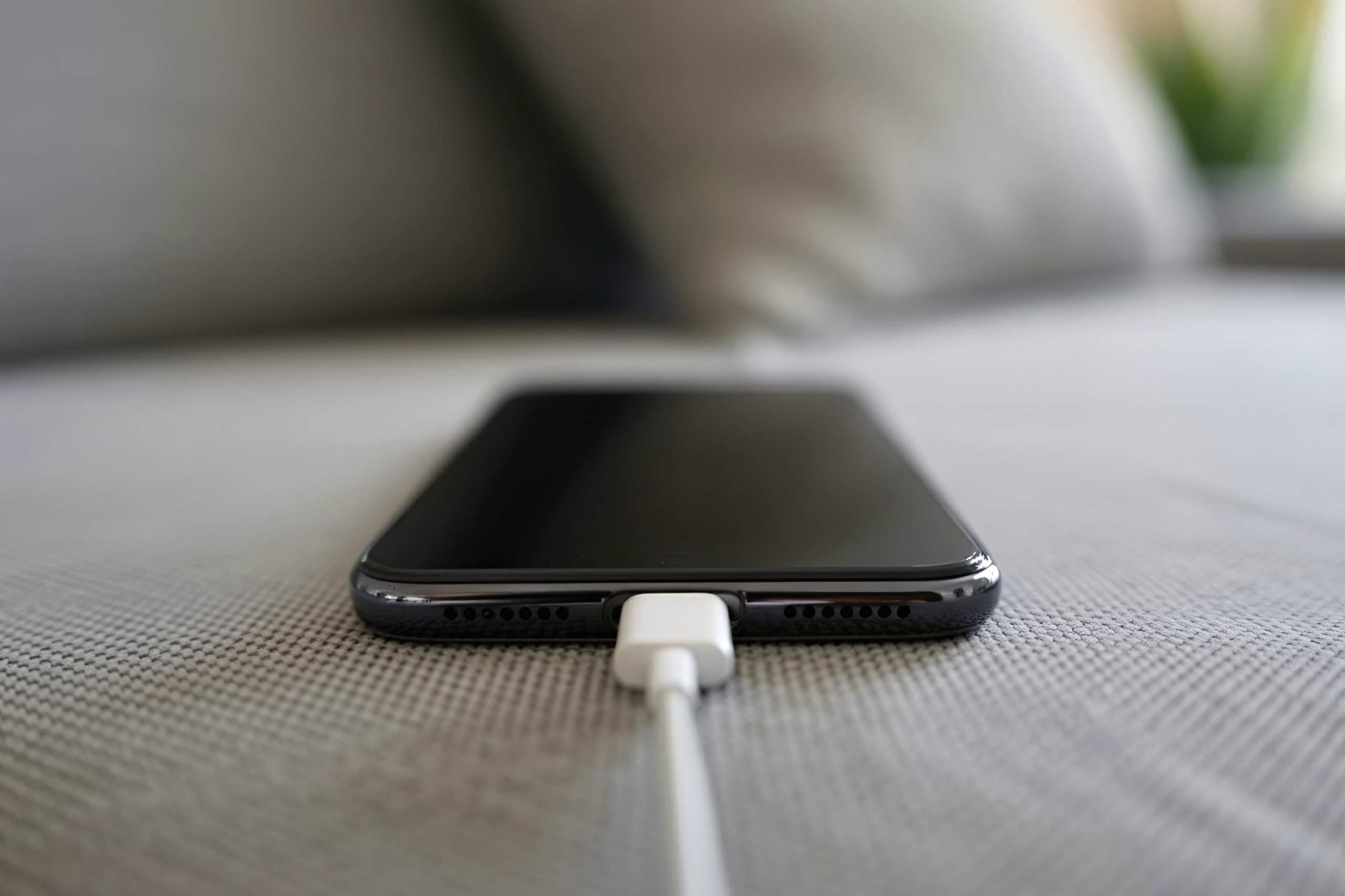
From the phone on your nightstand to the power tools in your garage, charging devices is part of everyday life. It’s easy to plug something in and move on without thinking much about the charger, the surface underneath it, or how long it stays connected.
This year, the National Fire Protection Association (NFPA) has announced “Charge into Fire Safety: Safe Charging Is a Superpower” as the theme for Fire Prevention Week, Oct. 4-10. Chargers can be a serious fire hazard – over the years, Ting has detected hundreds of fire hazards caused by charging cables and blocks, particularly for cellphones, laptops, and power tools.
Here are five charging mistakes to avoid, along with simple changes you can make today to help make your home safer.
A note about battery fires: Today, Ting does not detect failures that originate within batteries themselves. Our Ting scientists have been conducting tests with leading fire experts and we’re optimistic that Ting will one day detect battery failures before they lead to fires. Our experts are always working to make Ting even better.
1. Assuming any charger that fits is safe to use
When a charger goes missing, it can be tempting to grab a spare from a drawer or buy the first replacement you find online. But just because your device fits doesn’t necessarily mean a charger is compatible. Quality matters, too. Poorly made or counterfeit chargers can create fire hazards. A familiar-looking logo or packaging isn’t enough to know you’re buying a genuine, safety-tested product.
What to do instead: Use the charger that came with your device or a replacement approved by its manufacturer. Look for a recognized safety certification mark, such as UL Listed, on the charger to ensure it meets established safety standards. Counterfeit products can carry fake marks, which is another reason to pay attention to where you buy.
2. Charging on a bed, couch, or under a pillow
Your phone may be within easy reach on the bed, but soft surfaces aren’t a safe place to charge devices. Devices and chargers produce heat during charging, and bedding, cushions, and blankets can trap that heat and restrict airflow which increases the risk of overheating.
What to do instead: Charge on a hard, flat surface, such as a desk or table, with the device and charger uncovered. Before plugging in a phone, tablet, or laptop, check that neither the device nor its charger will end up under a blanket or pillow.
“I received an alert from the Ting app that a hazard had been detected. We were able to narrow it down to a phone charger that was failing. Relieved to have found the issue before it became a problem. The charger could have finally let go and caused damage.”
– William M. | Wisconsin
3. Leaving devices charging longer than needed
It’s easy to leave a device connected long after the battery is full. NFPA recommends unplugging devices once they’re fully charged rather than leaving them connected longer than necessary.
What to do instead: Follow your device manufacturer’s charging instructions, and make unplugging part of your routine when charging is complete. For e-bikes, scooters, and battery-powered tools and equipment, charge only while you’re present and awake. Don’t leave them charging while you’re sleeping or away from home.
4. Ignoring damage or unusual warning signs
A cord with damaged insulation (fraying, yellowing, or cracking) or a plug that no longer fits securely deserves a closer look, even if your device continues to charge. Loose connections can lead to dangerous electrical arcing.
The battery itself can also show warning signs. Unusual heat, swelling, leaking, or a strange smell are reasons to stop using the device, not to keep using it until you get a new charger.
What to do instead: Stop using damaged charging equipment, and replace it with a manufacturer-approved option. Have a licensed electrician evaluate an outlet that is loose, discolored, or unusually warm. And don’t forget to be kind to your cords!
An important note on battery disposal: Never put lithium-ion batteries in household trash or recycling. Contact the manufacturer or your local waste service for safe disposal guidance.
5. Charging near an exit
The outlet near your front door might seem like a convenient place to charge an e-bike or scooter. But a charging location should never put a device between your family and a safe exit. Keep charging equipment out of doorways, hallways, and other escape routes.
What to do instead: Charge larger devices outside when possible. Follow the manufacturer’s instructions and choose a dry location away from direct sunlight, extreme temperatures, and anything that can burn. Wherever you charge, keep your exit path clear.
Make prevention part of your charging routine
Before you plug in, take a moment to check the charger, the condition of the equipment, and the space around it. It’s also worth talking with everyone in your household about where devices should charge and when to unplug them.
Even with Ting, you play an important role in your home’s electrical safety. Ting (the sensor and service) is statistically proven to prevent ~80% of electrical fires, significantly reducing electrical fire risk in homes. Ting alone cannot eliminate 100% of electrical fire risks. Trust your senses. If something looks, sounds, or smells off, trust your instincts and please contact us immediately.